
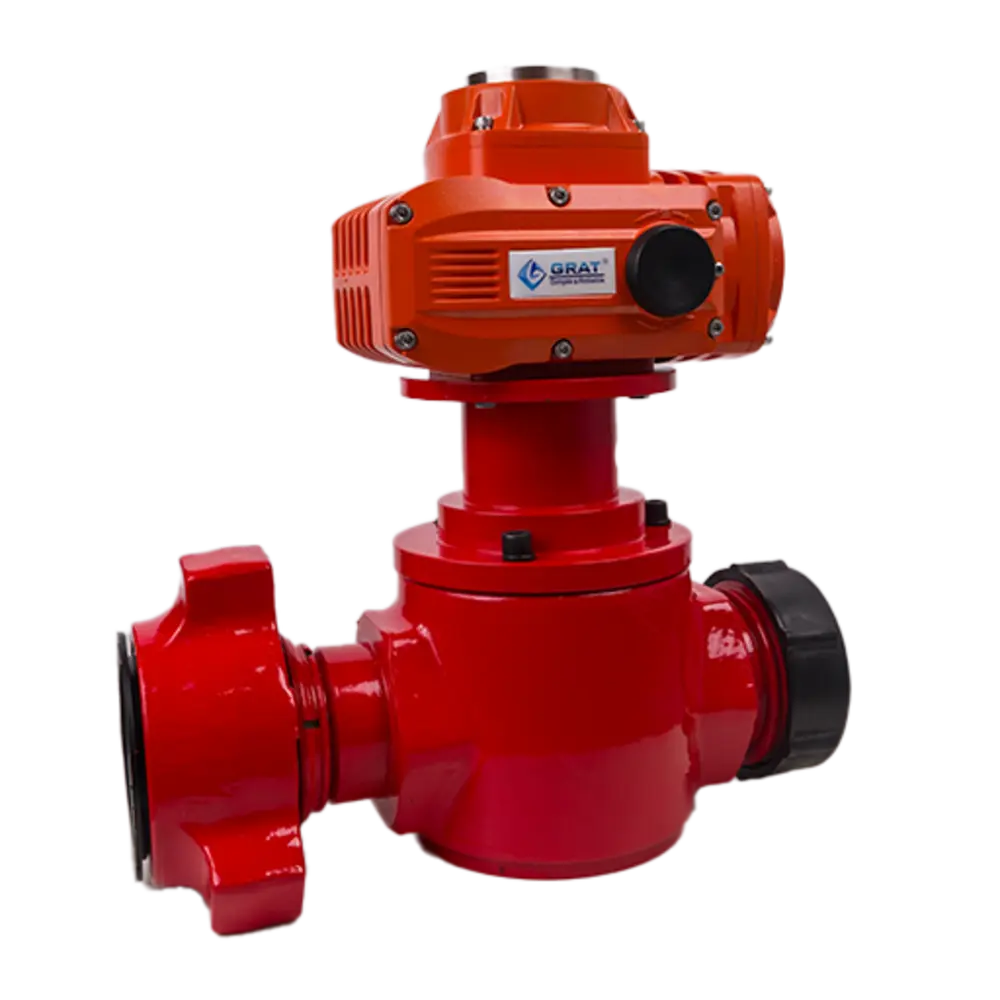
In oil and gas drilling engineering, cementing is a critical process that ensures wellbore integrity, reservoir protection, and long-term field development. It directly determines the safety level, operational efficiency, and service life of oil and gas wells. As a core control component of cementing manifold systems, the electric plug valve features remote controllability, fast opening and closing, high pressure resistance, and superior sealing performance. It is widely applied in medium switching, pressure and flow regulation, and remote safety control during cementing operations, serving as essential equipment for safe and efficient modern cementing.
1. Core Requirements for Valves in Cementing and Limitations of Traditional Manual Valves
Cementing operations involve complex, high-pressure, and high-risk working conditions. Valves are required to support frequent switching, zero leakage under high pressure, and rapid response to pressure fluctuations throughout casing running and cement slurry displacement processes.
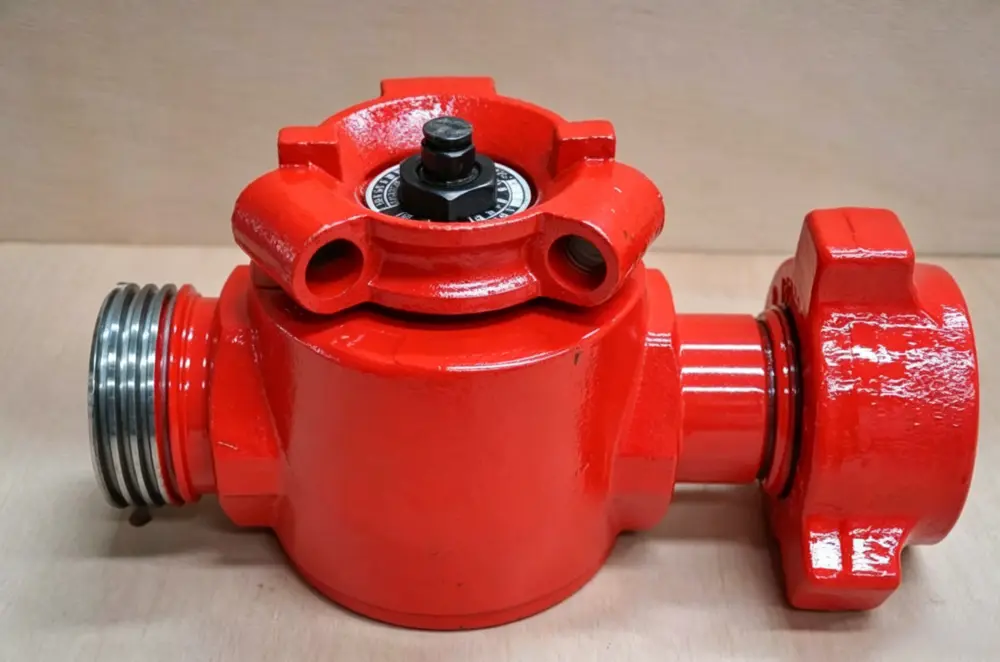
Traditional manual plug valves rely heavily on manual operation and field experience. Under ultra-high downhole pressure exceeding 70 MPa in deep wells, such valves are prone to jamming, seal failure, and incomplete switching. The lag and uncertainty of manual operation significantly increase well control risks and fail to meet high-precision cementing standards. As a result, electric plug valves have gradually replaced manual versions as intelligent core components for modern cementing.
2. Core Technical Advantages of Electric Plug Valves
Upgraded with intelligent technology and optimized structure, electric plug valves eliminate the inherent defects of manual valves and greatly improve the overall efficiency and safety of cementing operations.
2.1 Intelligent Drive and High Efficiency
Equipped with a servo motor drive system, electric plug valves realize one-touch and automatic program control, eliminating labor-intensive manual operation. They respond instantly to frequent working condition switches, shorten operation time, reduce labor costs, and significantly improve construction efficiency.
2.2 Precise Control and Reliable Sealing
Adopting precise angle automatic control technology, the valves deliver accurate opening and closing without relying on operator experience. They maintain complete sealing under ultra-high pressure, effectively preventing medium leakage and pressure runaway, and strengthening wellbore safety control.
2.3 Strong Condition Adaptability and Long Service Life
Manufactured with high-strength alloy materials and special anti-corrosion and wear-resistant coatings, and optimized with advanced flow and transmission structures, electric plug valves withstand harsh downhole conditions including high pressure, cement slurry corrosion, and mud abrasion. They reduce failure rates, lower maintenance costs, and extend equipment service life.
3. Typical Application Scenarios and Practical Value
Electric plug valves adapt to complex cementing conditions and show outstanding performance in horizontal well and deep-sea cementing, solving key industry challenges.
3.1 Horizontal Well Cementing: Precise Displacement for Improved Cementing Quality
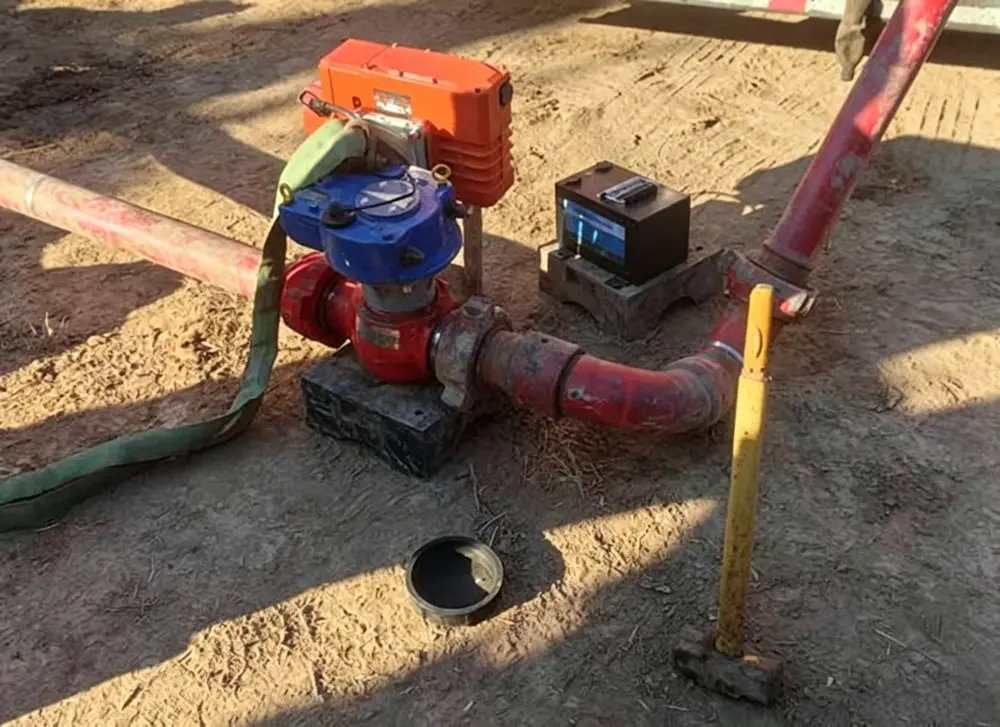
In staged cementing of horizontal wells, traditional valves struggle to control the opening timing of stage collars accurately. Electric plug valves support preset program control, automatically opening and closing at the designed cement slurry position to achieve precise displacement. This avoids cementing voids and uneven displacement, improving wellbore sealing quality and cementing qualification rate.
3.2 Deep-Sea Cementing: Remote Operation for Safety and Cost Efficiency
Deep-sea operations feature extreme complexity and high underwater operational risks. In a 3,000-meter deep-water gas field project in the South China Sea, electric plug valves were remotely controlled via surface cabinet to complete underwater cementing. The application reduced single-well operation time by 12 hours, eliminated diver underwater risks, and achieved significant safety and cost-saving benefits.
4. Technical Iteration and Industrial Value
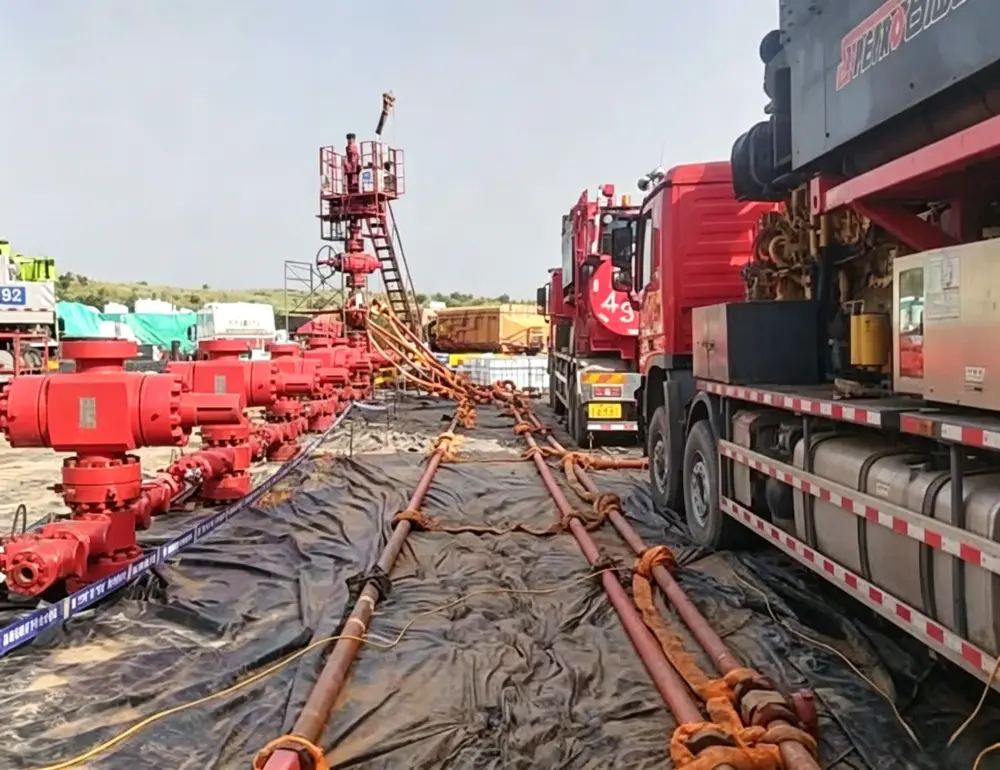
The large-scale application of electric plug valves marks a key intelligent upgrade of oil and gas cementing equipment. It breaks through the limitations of manual dependence, low precision, and poor safety of traditional valves, promoting the transformation of cementing operations from empirical manual work to automated, precise, and intelligent construction.
Aligned with the industry trend of safe, efficient, and green oilfield development, electric plug valves ensure wellbore integrity, reduce well control risks, extend field service life, and provide solid equipment support for the intelligent upgrading and high-efficiency development of oil and gas cementing engineering.