
In industrial production, condensed water is prone to form in the air source pipes of pneumatic valves under low-temperature conditions (such as outdoor winter and cold storage workshops), leading to pipe blockage, pneumatic valve jamming, seal damage, and even equipment shutdown, which affects production efficiency and safety. Combining practical experience, this article sorts out 5 efficient solutions to accurately solve the problem of low-temperature condensed water and help enterprises avoid potential faults.
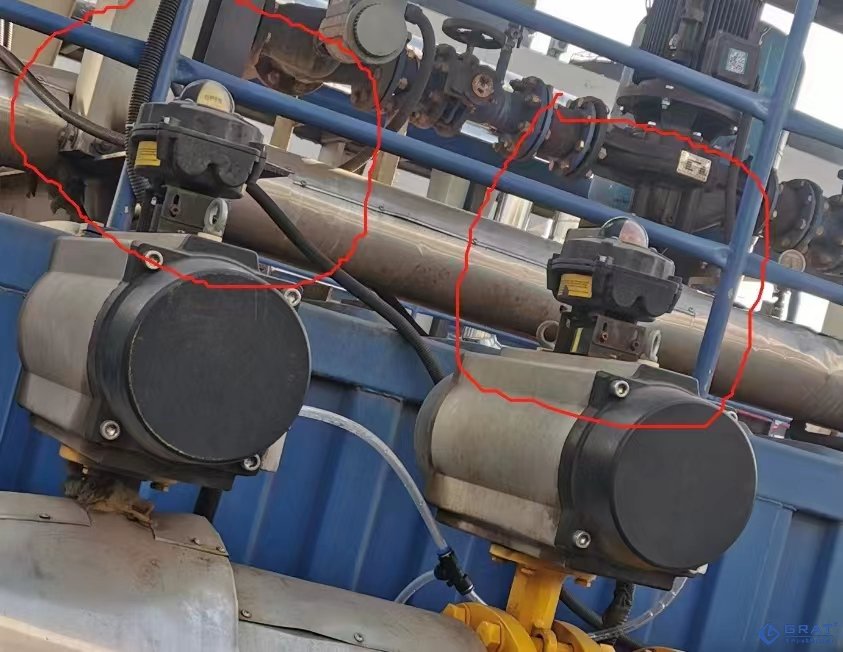
I. Core Causes of Condensed Water Under Low-Temperature Conditions
The essence of condensed water in air source pipes is that water vapor in the air comes into contact with the low-temperature pipe wall (wall temperature lower than the dew point temperature of the air), converts from a gaseous state to a liquid state, and accumulates. The core inducing factors include: no insulation on the pipes, high water content in the air source, unreasonable pipe layout (with low-point liquid accumulation), and loose sealing at connection parts leading to the infiltration of moist air.
II. 5 Practical Solutions for Low-Temperature Condensed Water
1. Inspect and Maintain Air Source Pipes to Avoid Hidden Dangers from the Source
Regular and comprehensive inspection of air source pipes is the basis for reducing condensed water. Focus on checking whether the pipes are damaged, aged, or cracked, and whether the seals at the joints, elbows, and valve connections are hardened and failed due to low temperature, and replace damaged parts in a timely manner; use soapy water to detect air leakage in the pipes, clean impurities and oil stains in the pipes to avoid slow gas flow that aggravates condensation; optimize the pipe layout, reduce horizontal sections and bends to avoid forming low-point liquid accumulation areas; if adjustment is not possible, set up temporary liquid accumulation tanks for regular cleaning.
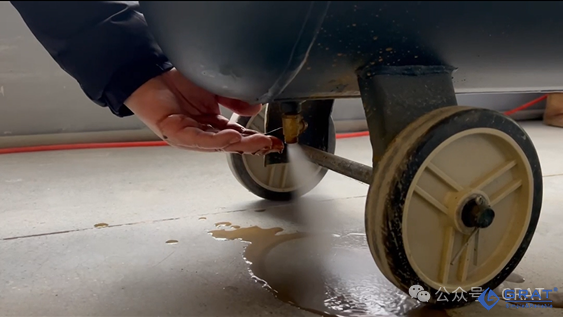
2. Install Drainage Devices to Discharge Condensed Water in a Timely Manner (Key Measure)
Condensed water cannot evaporate naturally at low temperatures, so special drainage devices need to be installed to achieve automatic discharge. Prioritize the selection of automatic drainers (electronic or float-type) suitable for low temperatures (withstanding below -20℃); install them at the lowest points of the pipes (ends, bottom of elbows, front end of the pneumatic valve air inlet) to ensure that condensed water flows in by gravity; install a valve between the drainer and the pipe for easy later maintenance, and check the smoothness of drainage daily to avoid freezing and blockage of the drainage port.
3. Add Pipe Insulation Layers to Reduce Condensation Probability
By adding insulation layers, the temperature difference between the pipes and the environment is reduced, and the possibility of condensed water formation is fundamentally reduced. Select materials with good insulation effect, low temperature resistance, water and moisture resistance (such as rock wool, polyurethane insulation pipes, etc.); wrap them closely against the pipes, overlap the joints by more than 5cm and fix them firmly, use special insulation sleeves at valves and joints to eliminate insulation dead corners; regularly inspect and repair damaged or falling insulation layers to ensure the insulation effect.
4. Adjust Environmental Humidity to Reduce Water Vapor Content
High environmental humidity will accelerate the generation of condensed water. For closed workshops, install industrial dehumidifiers to control the relative humidity at 50%-60%; for pipes in outdoor or semi-open areas, build protective sheds to avoid direct contact with rainwater and fog; install dryers at the air source inlet to dry the compressed air and reduce the water content of the air source from the source.
5. Regular Maintenance and Cleaning to Ensure Long-Term Stable Operation
Formulate a regular maintenance plan, purge and flush the pipes monthly to remove accumulated liquid, impurities and oil stains; check the filter elements, floats and other components of the drainer weekly, and clean blockages and replace aged parts in a timely manner; inspect the insulation layers and seals quarterly, and repair and replace them in a timely manner; record maintenance logs in detail to facilitate tracing hidden dangers and early prevention.
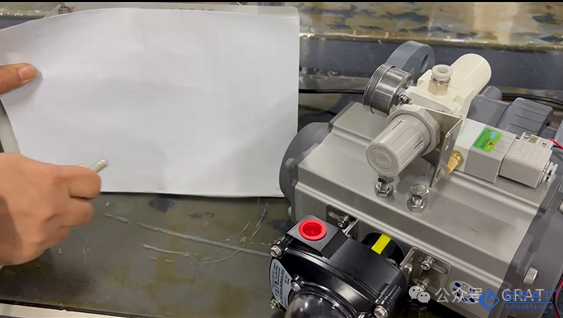
III. Safety Operation Notes
When dealing with condensed water problems, strictly follow safety regulations to ensure the safety of personnel and equipment: cut off the air source and release residual pressure before operation; wear cold-proof gloves and non-slip shoes during low-temperature operation, and check the circuit safety when using heat tracing devices; it is strictly prohibited to randomly disassemble pipes and valves, and consult professional personnel in case of complex faults; check whether the pipes and drainers are frozen daily in extremely cold weather, and clean them in a timely manner to avoid freezing and cracking.
IV. Summary
The core solution idea for condensed water in pneumatic valve air source pipes under low-temperature conditions is "prevent condensation, discharge accumulated water, and ensure smooth flow". Through the above 5 measures, various faults caused by condensed water can be effectively eliminated. With standardized safe operation and regular maintenance, the stable operation of pneumatic valves and air source pipes can be guaranteed, and production interruption can be avoided. For complex working conditions, it is recommended to contact professional personnel for inspection and treatment.