
Valves play an indispensable role in modern industrial production. They regulate and control the flow and pressure of gaseous and liquid media to guarantee stable production operation. Traditional manual valves have multiple limitations in operation and maintenance, prompting more manufacturers to upgrade manual valves to electric ones.
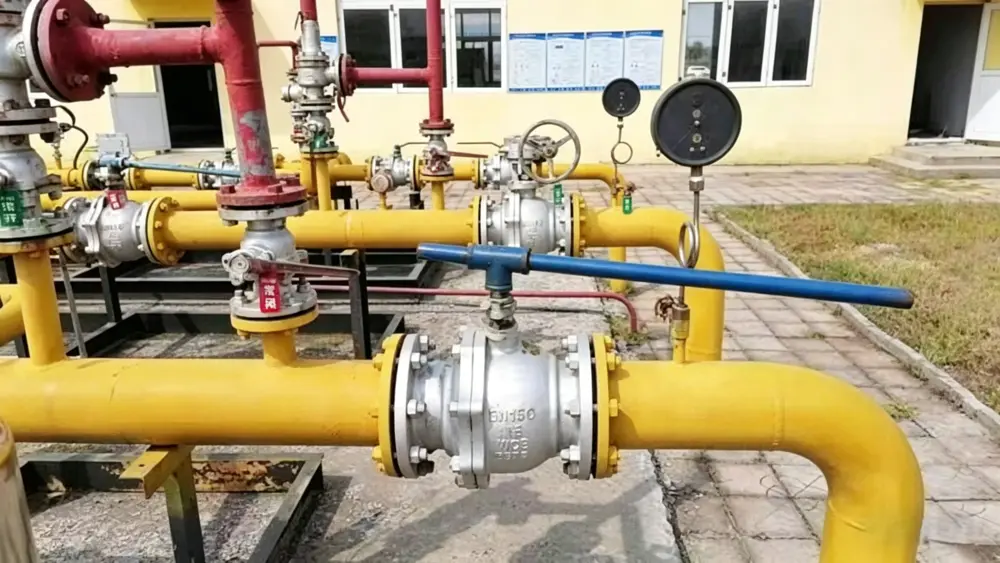
Limitations of Existing Manual Valves
Cumbersome Operation & Low Efficiency
Manual valves require on-site manual operation by professional staff, resulting in tedious workflows and low working efficiency. Frequent flow and pressure adjustment greatly increases labor intensity and hinders production efficiency.
High Labor Costs
Continuous on-site staffing drives up labor expenditure, especially on large-scale production lines.
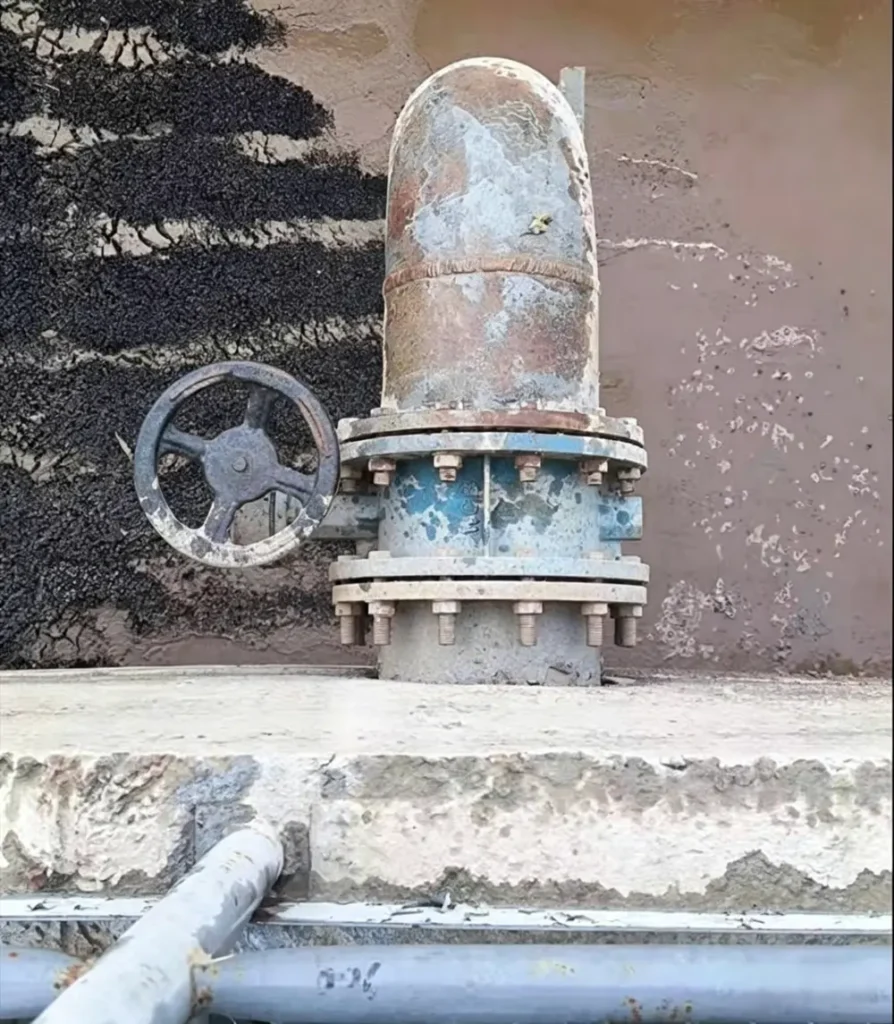
Poor Operational Safety
Workers have direct physical contact with valves during operation, bringing potential safety hazards. Manual handling of high-temperature, high-pressure and toxic media may cause personal injury or poisoning.
Prone to Operational Errors
Manual operation relies heavily on workers’ experience and proficiency. Improper manipulation may trigger production failures and equipment damage.
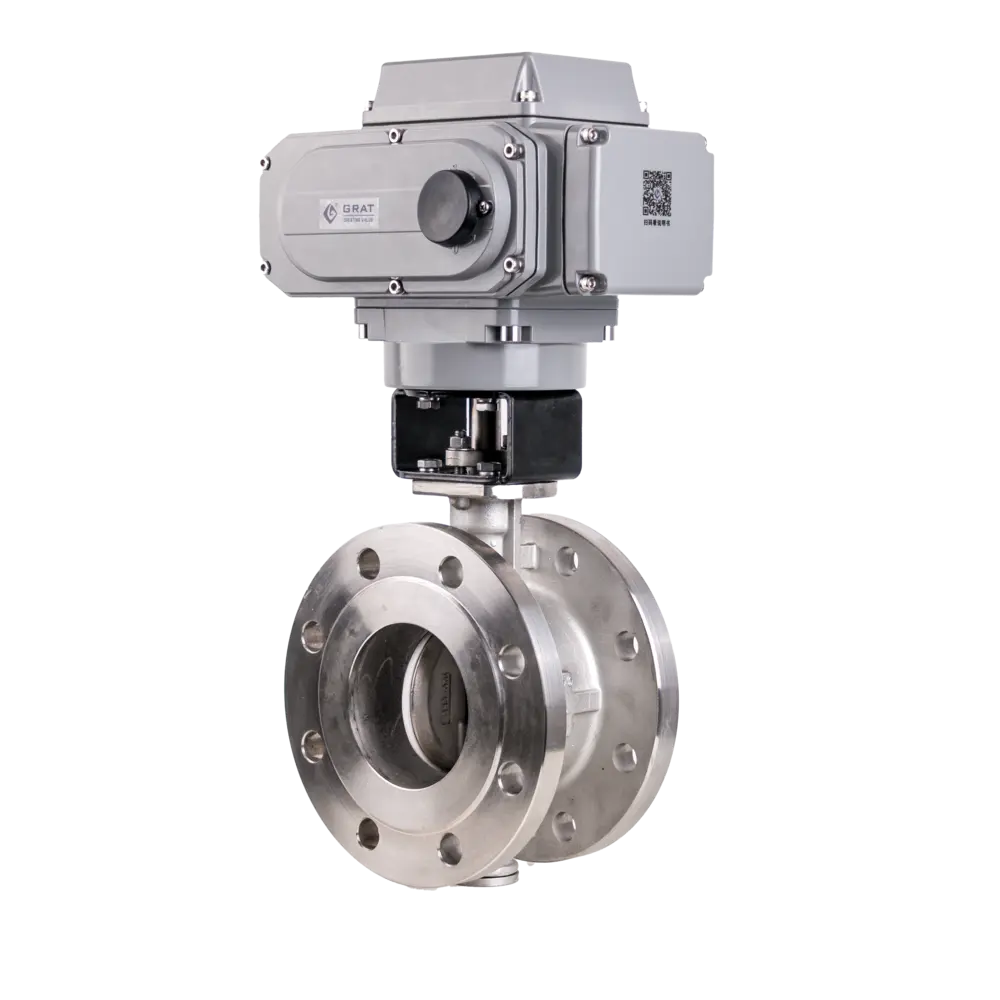
Necessity of Converting Manual Valves to Electric Valves
Boost Production Efficiency
Electric valves support remote automatic control via management systems, cutting manual workload and saving operating time, ideal for frequent parameter adjustment scenarios.
Cut Operational Costs
Electric control reduces reliance on manual labor and lowers labor expenses. It also minimizes equipment damage and production accidents, slashing subsequent maintenance costs.
Enhance Operation Safety
Remote automatic control avoids direct human contact with valves, effectively lowering safety risks when dealing with hazardous media.
Improve Product Quality
Precise control stabilizes medium flow and pressure, delivering consistent production quality, which stands out in high-precision manufacturing processes.
Retrofit Procedures
1. Remove the manual operating assembly of the butterfly valve.
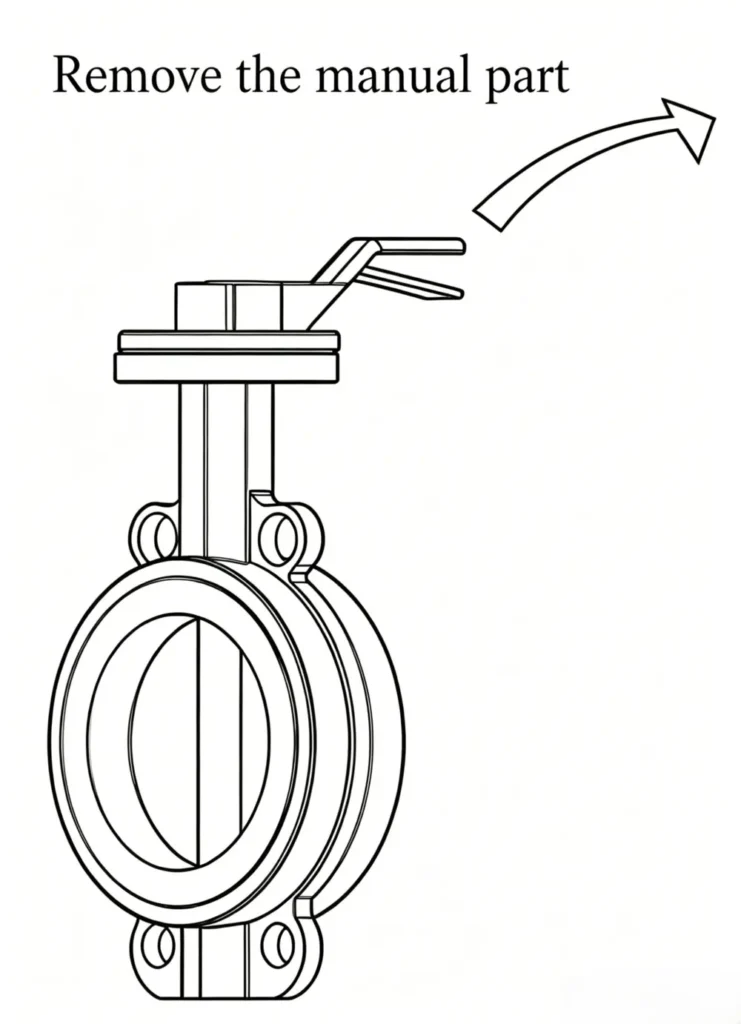
2. Measure dimensions of valve stem, mounting platform and holes, then process connecting sleeves and brackets.
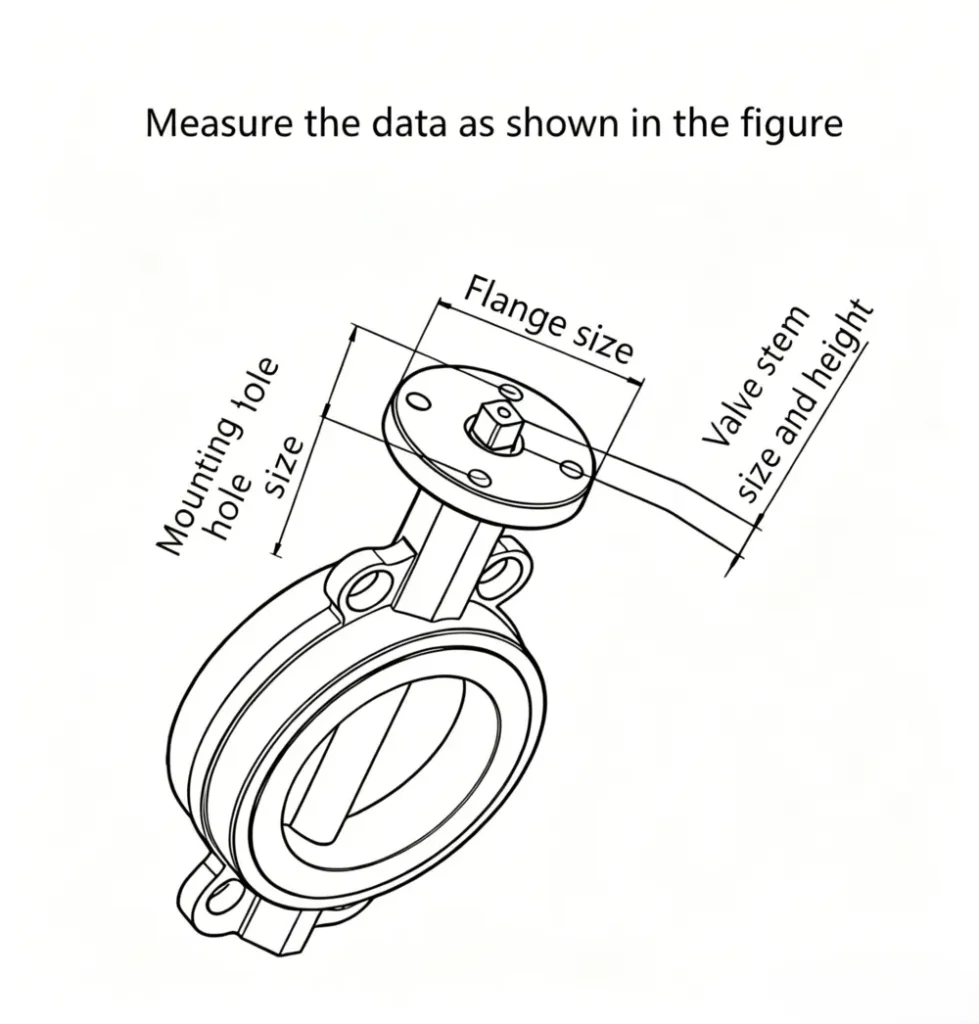
3. Select matching electric actuators per on-site technical requirements, and install brackets and connecting sleeves.
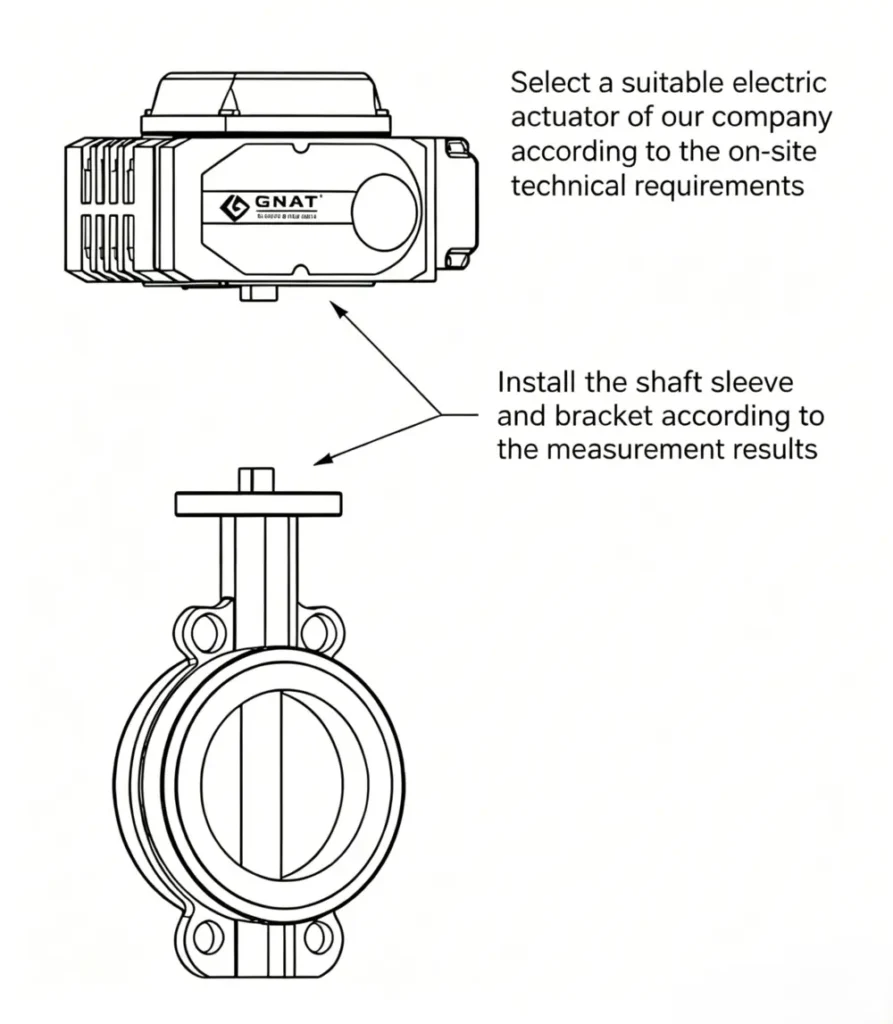
4. Assemble the butterfly valve with connecting brackets, sleeves and electric actuators.
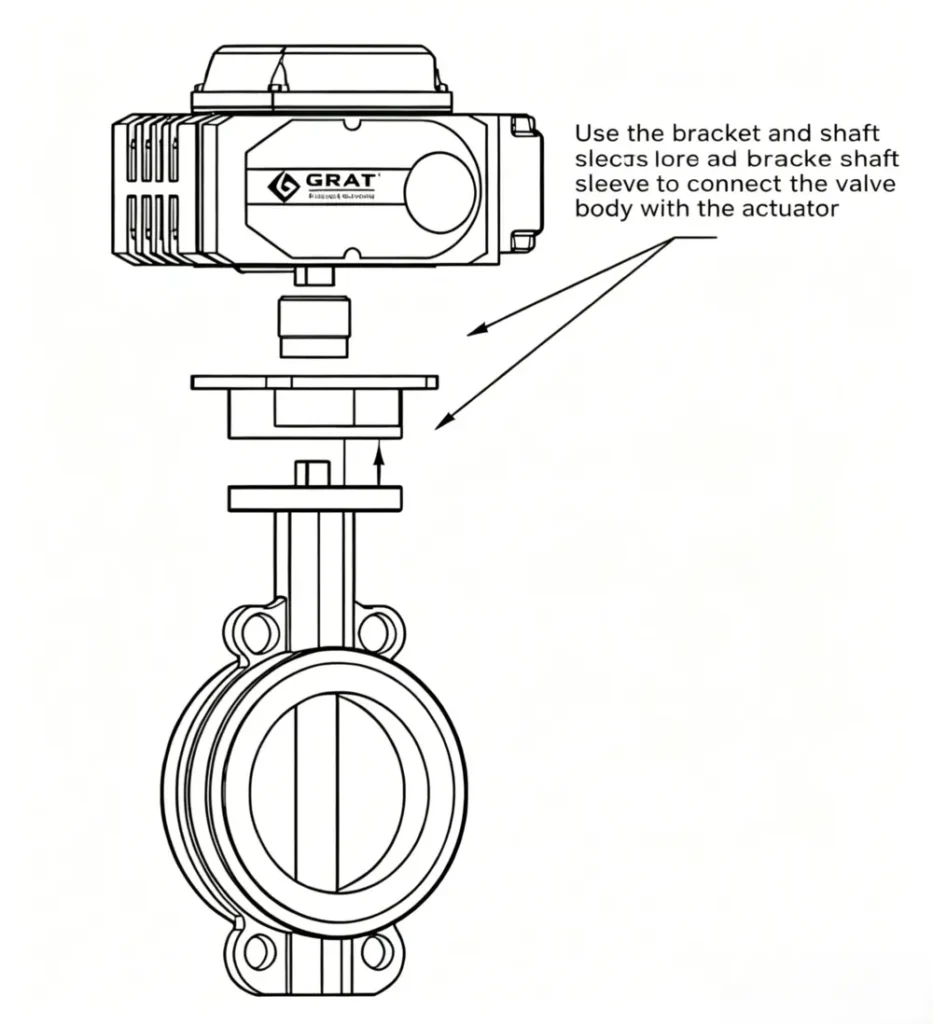
Design and fit connecting brackets according to valve structure and size. The brackets shall firmly fix actuators and ensure accurate linkage with the valve body.
Conclusion
Retrofitting manual valves into electric ones effectively elevates productivity, reduces costs, improves safety and product quality. Proper actuator selection, bracket fabrication, control system configuration and commissioning tests are essential to secure stable and long-term service of electric valves.