
Meta Description
Struggling with condensation, icing, valve sticking and breakdowns of pneumatic valves in cold environments? Discover risks, practical prevention tips and professional anti-freezing solutions for industrial compressed air systems.
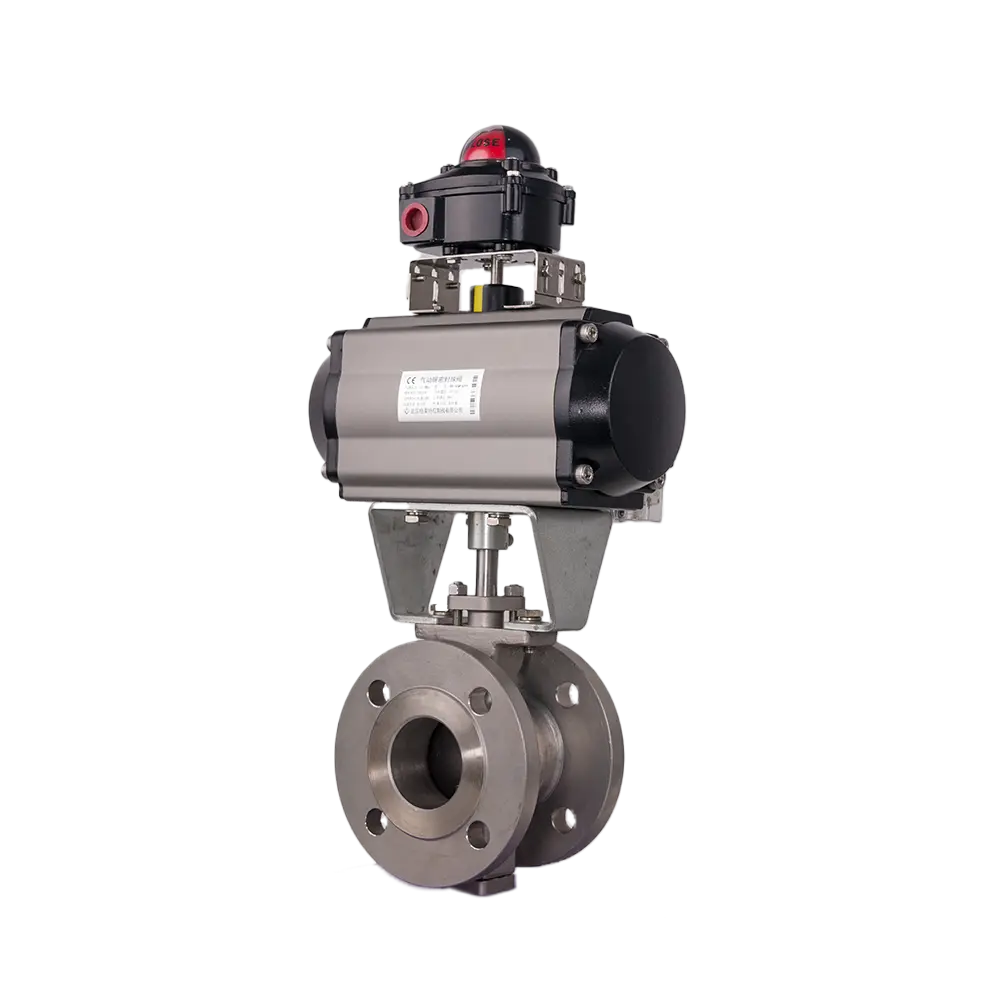
1. How to Fix Condensation and Freezing Issues for Low-Temperature Pneumatic Valves
Cold operating environments easily cause condensed water buildup, internal ice blockages and valve sticking inside compressed air pipelines. These faults frequently disable pneumatic valves and interrupt continuous industrial production.
GRAT delivers a complete anti-freezing and anti-condensation solution tailored for pneumatic valves, enabling stable equipment operation throughout cold winter months. Our solution features low-temperature optimized valve bodies and built-in automatic draining structures to resolve typical cold-related malfunctions: internal water accumulation, spool sticking, pipeline icing and sluggish valve response. It ensures consistent, uninterrupted performance of pneumatic valves during winter production runs.
2. Key Hazards of Condensation on Pneumatic Valves in Cold Weather
2.1 Icing Causes Valve Sticking and Total Functional Failure
Compressed air naturally contains water vapor. When temperatures drop, vapor condenses into liquid water on the inner walls of air pipes and valve bodies. As ambient temperatures keep falling, trapped water freezes solid, locking the valve spool and plate in place.
The outcomes include delayed valve actuation, incomplete opening and closing strokes, or complete valve failure. This undermines pipeline on-off control and disrupts the normal operation of production lines.
2.2 Condensation Accelerates Pipeline and Valve Corrosion
Long-term accumulated condensation leads to oxidation, rust and limescale formation within compressed air pipelines and pneumatic actuators. Airflow carries these abrasive contaminants into valves, gradually wearing out sealing components.
Eventually, air leakage occurs, sealing performance deteriorates, and fluid leakage takes place. Equipment failure rates surge, bringing recurring maintenance costs to industrial pneumatic systems.
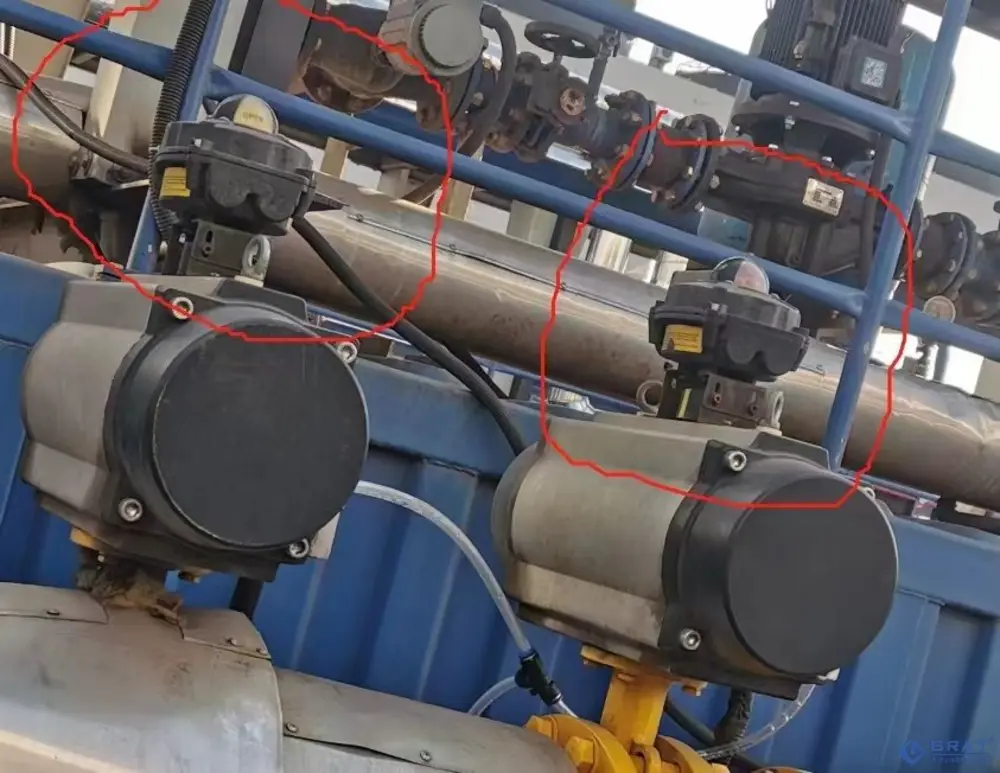
2.3 Unstable Air Pressure Impairs Precision Production Control
Excessive condensation disrupts airflow uniformity and air pressure stability. Pneumatic valves respond slowly and operate inconsistently, making precise regulation of pipeline flow and pressure impossible.
In severe cases, process fluctuations trigger unplanned downtime and threaten the steady operation of fully automated production lines.
2.4 Ice Blockages Pose Severe Safety Risks
Frozen water expands inside pipelines, resulting in blockages, pipe cracking and compressed air supply outages. Chemical plants, HVAC systems and industrial compressed air stations are most prone to cold-weather equipment breakdowns. Icing blockages in pneumatic systems remain one of the most common and high-risk winter maintenance challenges for industrial facilities worldwide.
3. Practical Anti-Condensation & Anti-Freezing Measures for Low-Temperature Pneumatic Valves
3.1 Full Pipeline Inspection to Eliminate Air Leaks and Water Build-Up
Conduct routine inspections across the entire compressed air pipeline network. Tighten loose connections, repair damaged pipe segments, seal leakage points and clear blockages to maintain optimal air tightness.
Air leaks accelerate cold air convection and worsen vapor condensation. Reliable pipeline sealing fundamentally reduces condensed water generation.
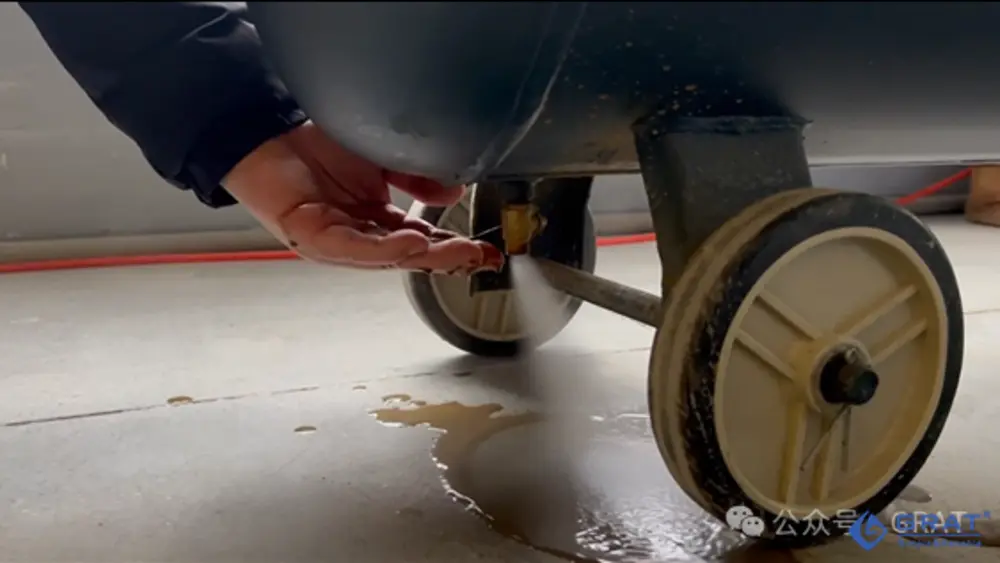
3.2 Install Automatic Drain Valves at Pipeline Low Points
Mount automatic drain valves and drainage devices at pipeline low points, air tank outlets and upstream positions of pneumatic valves. Gravity-powered real-time drainage promptly removes condensed water and prevents stagnant water from freezing inside sealed pipelines.
3.3 Apply Pipeline Thermal Insulation to Reduce Dew Formation
Wrap all exposed compressed air pipelines and external valve assemblies with professional thermal insulation materials. Insulation narrows the temperature gap between internal airflow and frigid ambient air, effectively curbing vapor condensation and dew accumulation. This method works ideally for factories in frigid regions and sites with drastic day-night temperature swings.
3.4 Lower On-Site Humidity to Cut Moisture Levels in Compressed Air
Equip humid workshops and enclosed workspaces with ventilation and dehumidification systems. Reducing ambient humidity decreases the water vapor content of intake air, lowers moisture carried by compressed air and mitigates condensation risks at the air source.
3.5 Establish Standard Winter Maintenance Schedules
Regularly clean drainage components, insulation layers and pipeline limescale. Check valve sealing conditions and actuator performance, and eliminate hidden dangers including stagnant water, ice buildup and rust. Systematic maintenance guarantees reliable operation of the entire pneumatic control system under prolonged low-temperature conditions.
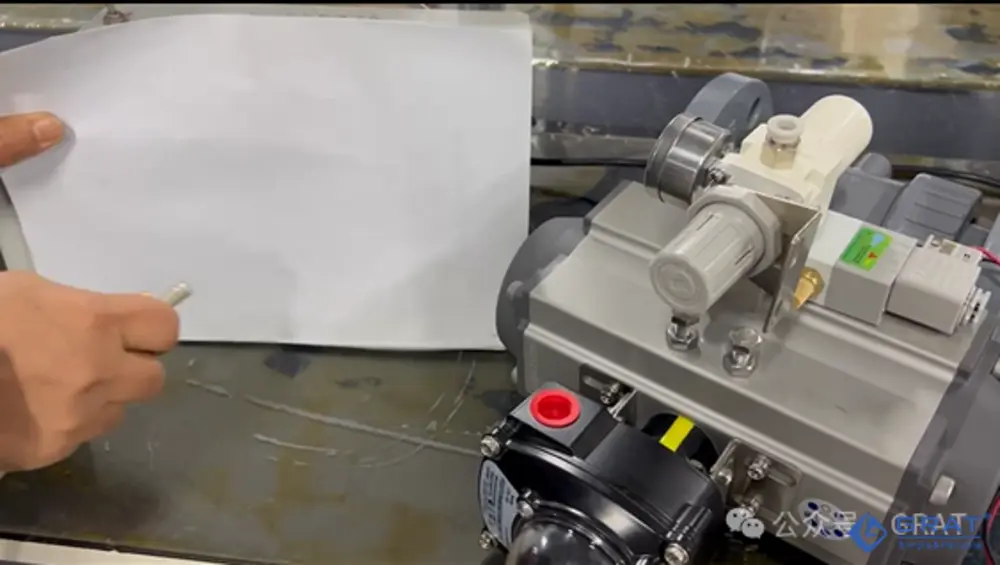
4. Core Advantages of GRAT Low-Temperature Pneumatic Valves
GRAT pneumatic valves are engineered to withstand harsh industrial conditions: subzero temperatures, high humidity and moisture-rich compressed air. Upgrades to internal structure, sealing performance and low-temperature adaptability thoroughly resolve winter condensation and freezing troubles:
- Dead-space-free internal design: No water retention cavities inside valve bodies to avoid stagnant water buildup
- Low-temperature resistant sealing materials: Resist dew formation, icing and spool sticking in cold, humid working environments
- Stable adaptability to industrial working pressure: Delicate and consistent valve switching under standard factory air pressure
These improvements address prevalent winter issues such as slow switching, air leakage and valve sticking. They significantly reduce seasonal maintenance frequency and unplanned operational downtime.
5. Frequently Asked Questions (FAQ)
Q1: How can I stop frequent condensation and sticking of pneumatic valves in winter? A1: For quick improvements, install automatic low-point drains and add thermal insulation to pipelines. For a permanent long-term fix, replace standard valves with GRAT low-temperature pneumatic valves. Their water-free internal structure and cold-resistant seals completely eliminate sticking caused by condensation and icing.
Q2: Which pneumatic valves operate reliably in freezing subzero environments? A2: GRAT low-temperature adaptive pneumatic valves are optimized for cold, humid industrial compressed air systems. Equipped with anti-icing internal structures and professional cold-proof seals, they maintain steady switching performance and avoid freeze-induced failures all winter long.
Q3: How to prevent recurring pipeline condensation for long-term stable operation? A3: Adopt a holistic integrated solution: pipeline thermal insulation, real-time low-point drainage, regular system maintenance paired with low-temperature adaptive pneumatic valves. This combination suppresses dew formation, drains residual water instantly and prevents icing throughout winter.
Q4: What problems will arise if pneumatic valve condensation is left untreated? A4: Unresolved condensation and icing will lead to valve sticking, seal damage and pipeline ice blockages. These faults cause unstable production processes, unplanned shutdowns, even pipe rupture and compressed air supply interruption, creating major safety hazards for plant operation.
6. Customized Solutions & Professional Technical Consultation
We provide tailored anti-freezing and anti-condensation selection plans, compressed air pipeline renovation schemes and precise quotations for low-temperature, high-humidity industrial scenarios.
Share your on-site operating parameters and production requirements, and our engineering team will design a free customized technical solution for your pneumatic valve system.