
When sourcing stainless steel valves, have you ever been told that standard 304 is not enough for your working conditions — and that you need to upgrade to 316L?
What exactly are 304, 304L, 316 and 316L? What do markings like CF8 and CF3 stamped on valve bodies mean? And which grade is the right choice for your industry?
This guide breaks down the core differences, corrosion performance, and real-world applications of each grade — so you can specify with confidence and avoid overpaying.
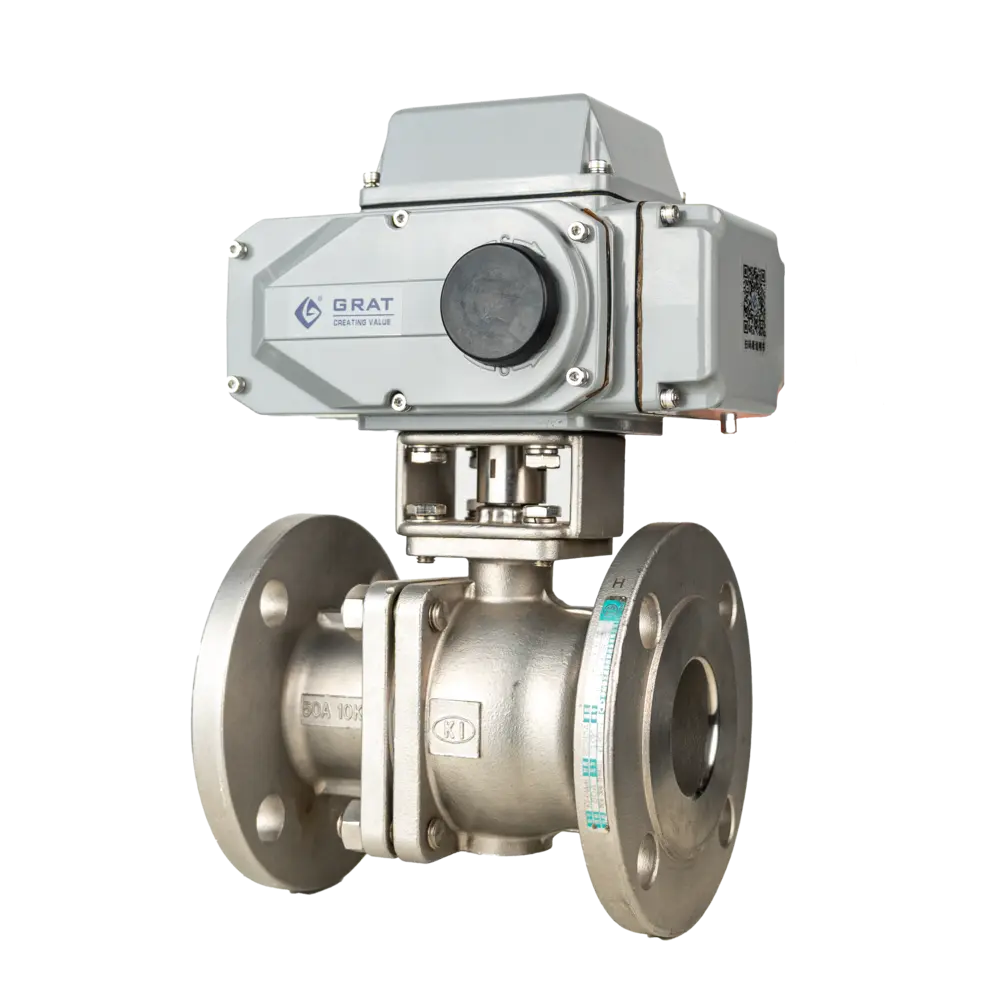
Why Stainless Steel Resists Corrosion
Stainless steel is an alloyed steel formulated primarily with chromium (Cr) and nickel (Ni). Chromium drives the formation of a dense, passive protective film across the metal surface. This film blocks moisture and corrosive media from reaching the base metal, preventing rust and oxidation.
Designations such as 304, 304L, 316 and 316L classify grades by alloy composition and performance.
The suffix "L" stands for Low Carbon. Lower carbon content suppresses intergranular corrosion and significantly improves overall corrosion resistance — especially after welding.
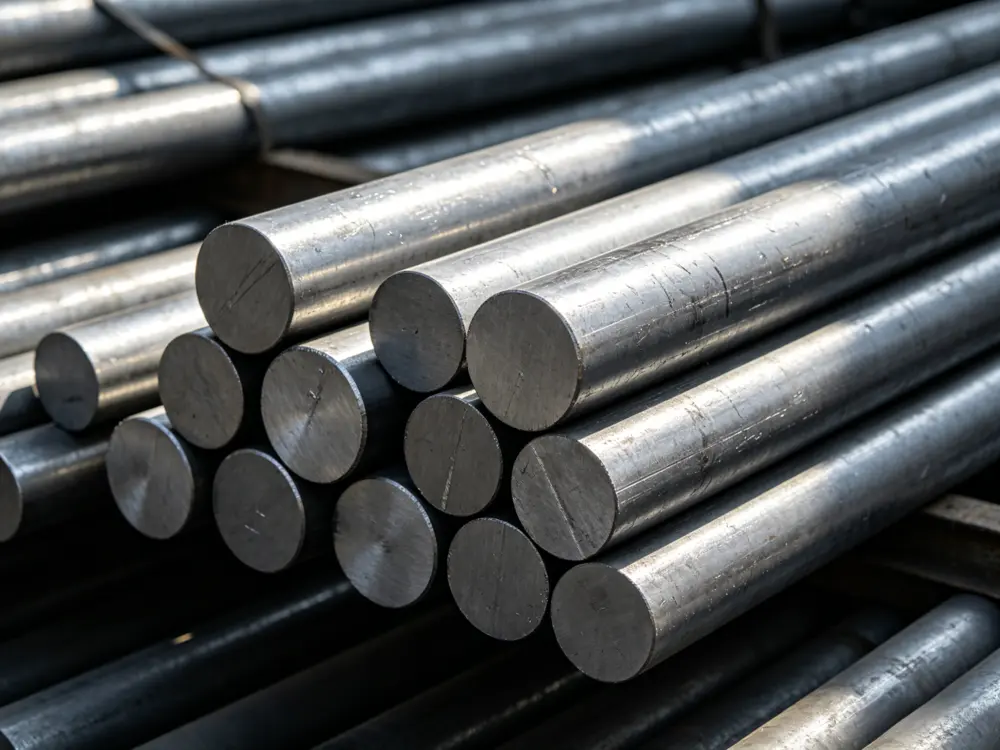
Core Differences Between 304, 304L, 316 & 316L
1. 304 Stainless Steel — The Universal Standard Grade
304 offers a balanced combination of corrosion resistance, heat resistance, strong mechanical properties, and excellent machinability.
Because of its versatile performance, it is widely used in:
- Household appliances
- Automotive components
- Medical devices
- General industrial piping systems
Best for: Clean, mild, non-corrosive media where cost efficiency is a priority.
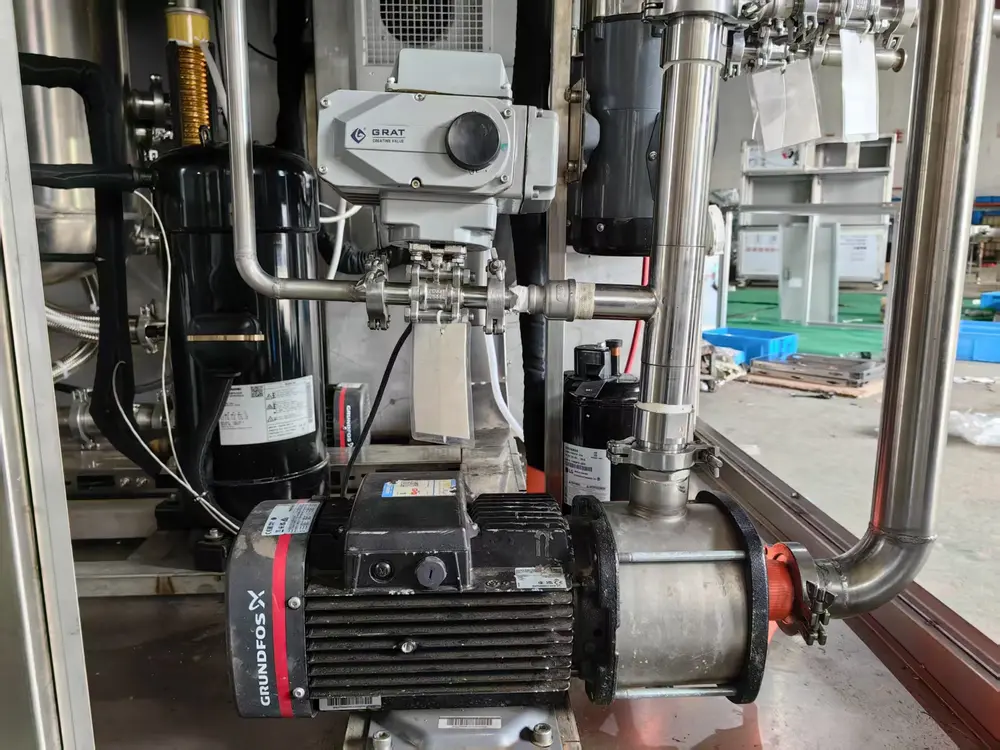
2. 304L Stainless Steel — Low-Carbon Variant of 304
The "L" denotes Low Carbon. Its baseline corrosion resistance matches standard 304, with one key advantage: greatly improved resistance to intergranular corrosion.
After welding, conventional 304 is prone to carbon precipitation at the grain boundaries, creating hidden corrosion risks. The low-carbon formulation of 304L eliminates this issue.
Ideal applications:
- On-site welded piping assemblies
- Outdoor exposed equipment
- Light-corrosion chemical pipelines
- High-temperature structural components
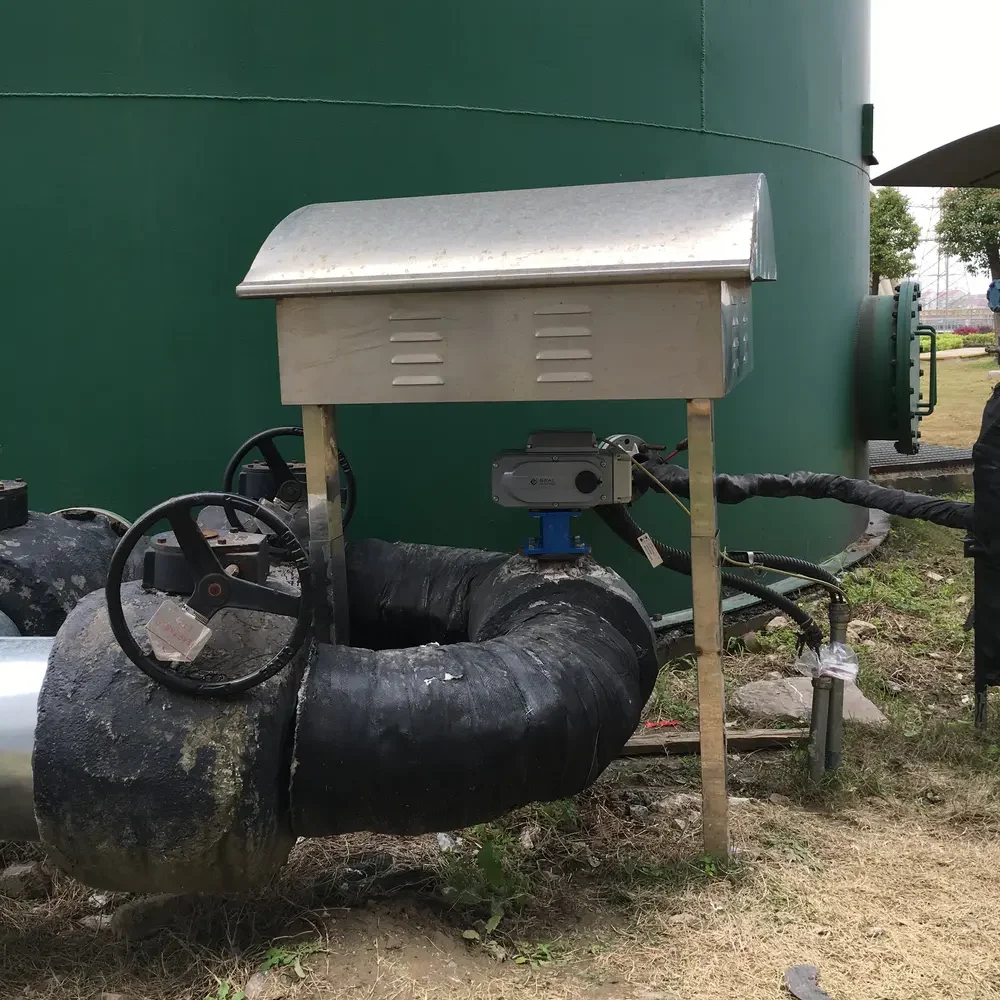
3. 316 Stainless Steel — Enhanced Corrosion-Resistant Grade
316 adds molybdenum (Mo) to the 304 alloy base. Molybdenum is the key additive that elevates anti-corrosion performance.
It significantly strengthens resistance to:
- Chloride ions
- Chemical solvents
- Salt spray
- High-temperature environments
This makes 316 outperform 304 by a substantial margin in aggressive conditions.
Ideal applications:
- Chloride-containing media
- Chemical solution pipelines
- Seawater handling equipment
- Coastal facilities exposed to salt-laden air
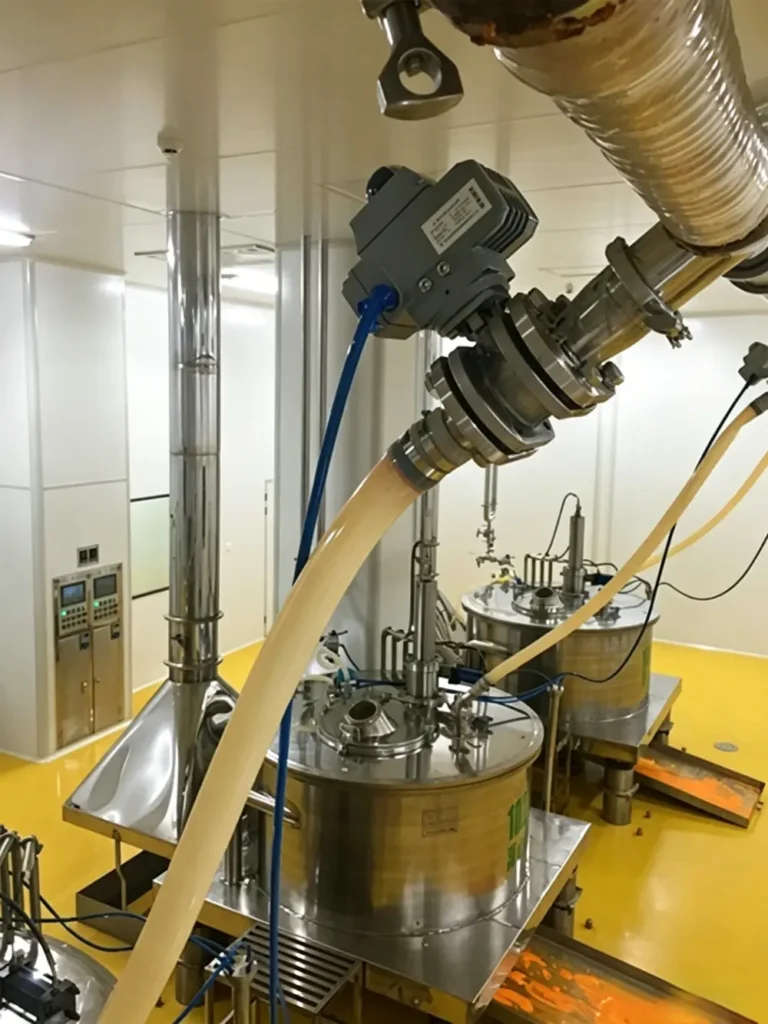
4. 316L Stainless Steel — Premium Low-Carbon, High-Corrosion Grade
As the low-carbon counterpart to 316, 316L combines molybdenum-driven corrosion resistance with low-carbon intergranular corrosion protection.
No post-weld annealing is required to retain its exceptional performance. It also offers remarkable resistance to pitting corrosion, making it the top choice for severely corrosive service environments.
Ideal applications:
- High-concentration chloride media
- Harsh chemical processing conditions
- Coastal installations with intense salt spray
- Projects demanding maximum corrosion resistance
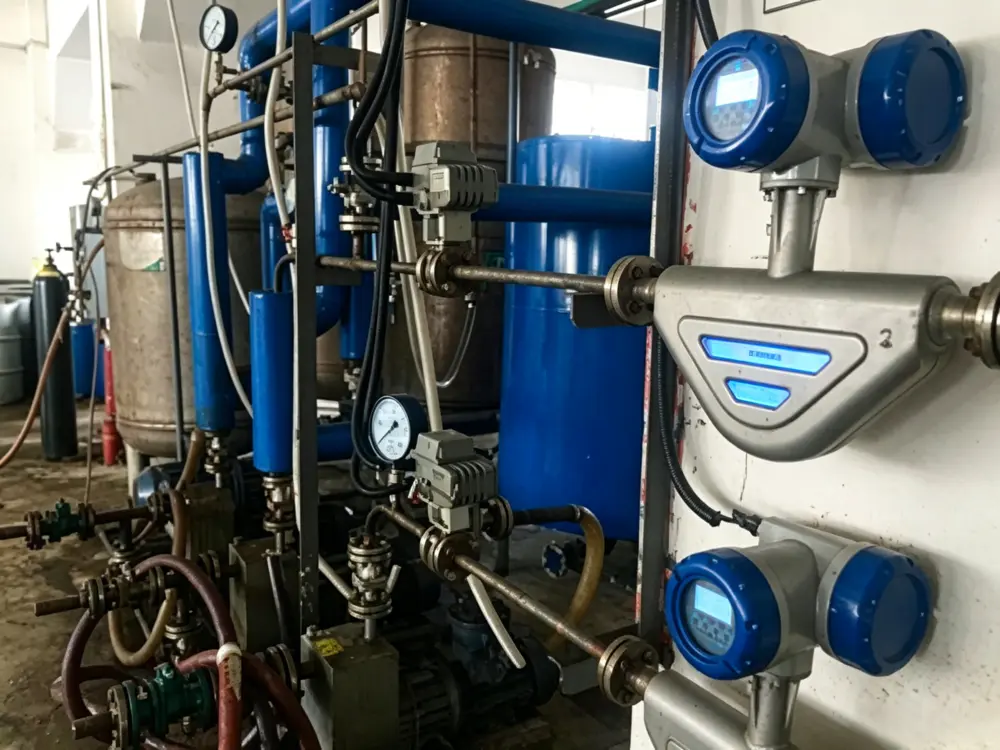
What Do CF8 and CF3 Markings on Valve Bodies Mean?
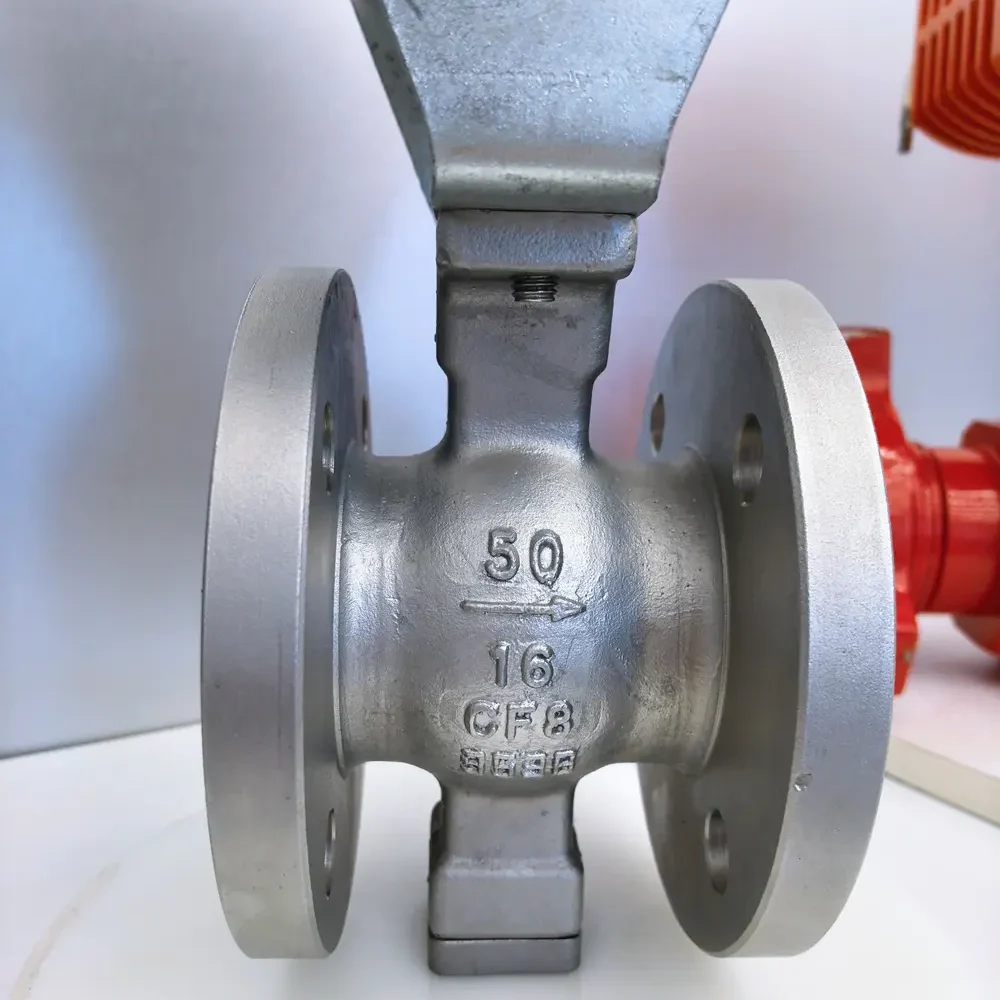
You may see valves marked 304, CF8, CF3 or 316. Why the different labels?
CF8 and CF3 are cast stainless steel grades defined under the ASTM A351 standard. They are the casting equivalents of common wrought grades:
| Cast Grade (ASTM A351) | Wrought Equivalent | Key Characteristic |
|---|---|---|
| CF8 | 304 | Standard cast austenitic stainless |
| CF3 | 304L | Low-carbon cast grade, better weld corrosion resistance |
| CF8M | 316 | Molybdenum-alloyed cast grade |
| CF3M | 316L | Low-carbon + molybdenum, premium corrosion performance |
Simple rule of thumb: Wrought / forged valves are typically labeled with the 304 / 316 series. Cast valves use the CF series naming system. Their material properties are interchangeable for specification and selection purposes.
(Note: the original draft stated CF3 corresponds to 316L — this has been corrected. CF3 = cast 304L; CF3M = cast 316L.)
Final Selection Guide
| Grade | Carbon | Molybdenum | Best For |
|---|---|---|---|
| 304 | Standard | No | Clean, mild media; cost-sensitive general service |
| 304L | Low | No | Welded assemblies, outdoor equipment, light corrosion |
| 316 | Standard | Yes | Chloride media, chemical pipelines, seawater |
| 316L | Low | Yes | Harsh chemicals, heavy salt spray, maximum corrosion resistance |
Three quick rules:
- Choose 304 for cost-effective use with clean, non-corrosive media.
- Choose an "L" grade when welding is involved.
- Upgrade to 316 or 316L for chemical processing, seawater service, and coastal high-salt-spray environments.
Understanding these material traits helps you avoid unnecessary spending on over-specified alloys — and, more importantly, prevents premature valve rusting, leakage, and shortened service life caused by improper material selection.