
GRAT Electric Plug Valve delivers field-proven stability for high-pressure, high-risk, and complex well cementing operations. Rated for working pressures up to 70 MPa, this intelligent electric valve provides remote control, ultra-fast actuation, and reliable bubble-tight sealing in extreme downhole conditions.
Designed to fix common flaws in traditional manual plug valves—including valve seizure, minor fluid leakage, and inconsistent manual operation—the GRAT electric valve standardizes safe, accurate, and repeatable cementing workflows. It serves as a core manifold component for deep wells and ultra-high-pressure oil and gas cementing projects.
Well cementing determines wellbore integrity, reservoir protection, and long-term well service life. It directly impacts operational safety, drilling efficiency, and stable production throughout the entire well lifecycle.
Cementing manifold valves work under severe cyclic working conditions: frequent switching, dynamic pressure fluctuations, and rapid fluid changes. Traditional manual plug valves can no longer meet the strict precision, safety, and consistency requirements of deep and high-pressure cementing. Intelligent electric valves have become the new industry standard for modern oilfield cementing systems.
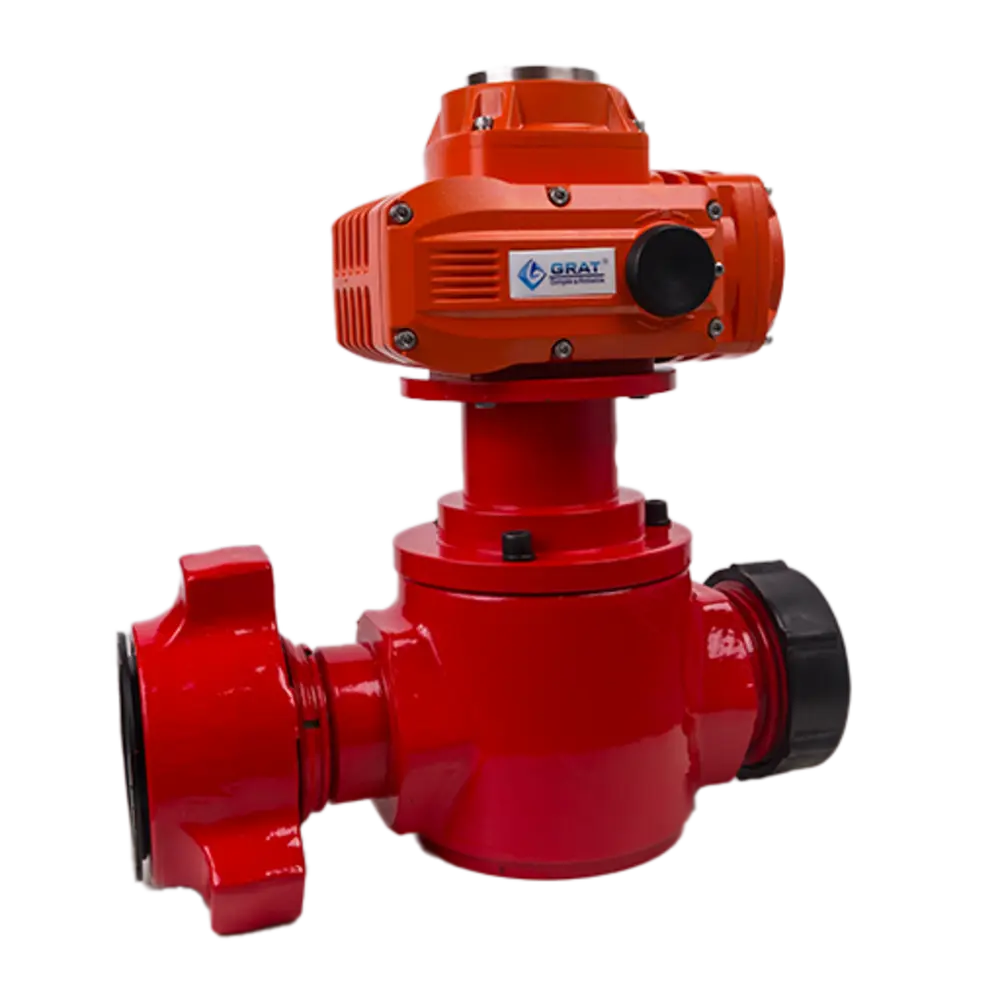
Disadvantages of Traditional Manual Plug Valves
1. Unstable High-Pressure Performance & Elevated Well Control Risks
Deep well operating pressures often reach or exceed 70 MPa. Conventional manual valves use outdated structures with limited pressure resistance. Under long-term ultra-high pressure, these valves frequently suffer from sticking, seal aging, incomplete stroke, fluid leakage, and unstable pressure output.
These structural defects create major well control hazards. Manual valves are no longer qualified for deep well and ultra-high-pressure cementing applications.
2. Manual Operation Errors Reduce Cementing Accuracy
Manual valve performance fully depends on on-site operator experience. Slow response speeds cannot match fast pressure changes and fluid switching during cementing. Human error often causes uneven slurry displacement, poor wellbore sealing, and cement voids.
These problems lower cementing pass rates and greatly shorten the overall service life of oil and gas wells.
3. Harsh On-Site Work & Higher Long-Term Maintenance Costs
Deepwater and deep well cementing environments are high-risk and harsh. Close-range manual valve operation exposes field workers to serious safety dangers. Meanwhile, manual valves offer poor wear resistance, corrosion resistance, and pressure tolerance.
Abrasive cement slurry and drilling mud accelerate component wear, leading to frequent replacement, higher labor and spare parts costs, and unnecessary project downtime.
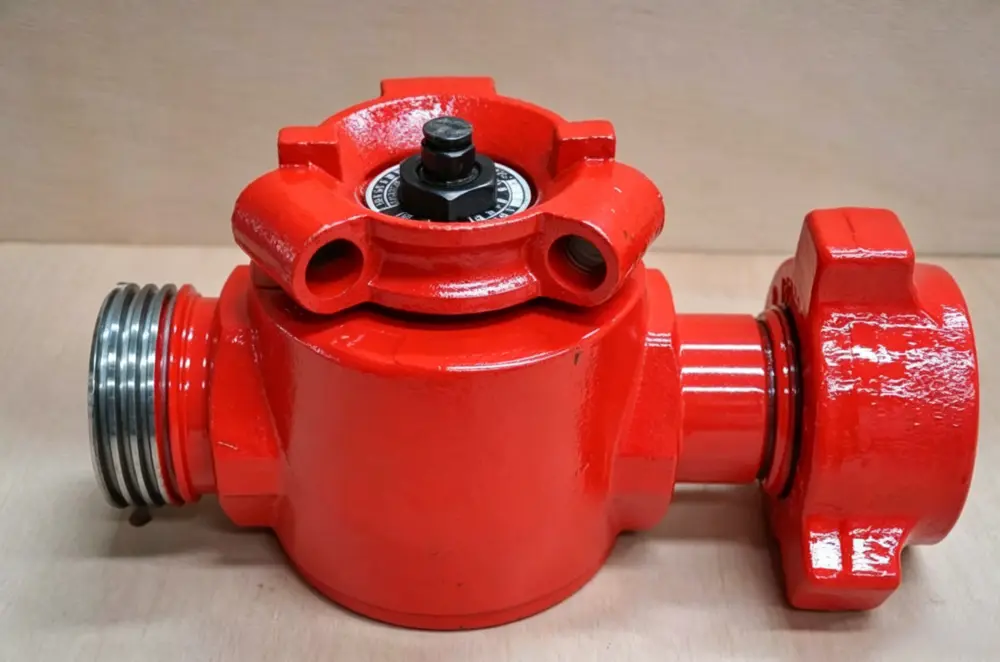
Core Technical Advantages of GRAT Electric Plug Valves
GRAT Electric Plug Valves are specially developed for high-pressure, high-precision, and long-cycle cementing conditions. Upgraded alloy materials, optimized flow channel design, and intelligent servo actuation completely solve the inherent weaknesses of manual valves, improving construction safety, accuracy, and operational efficiency.
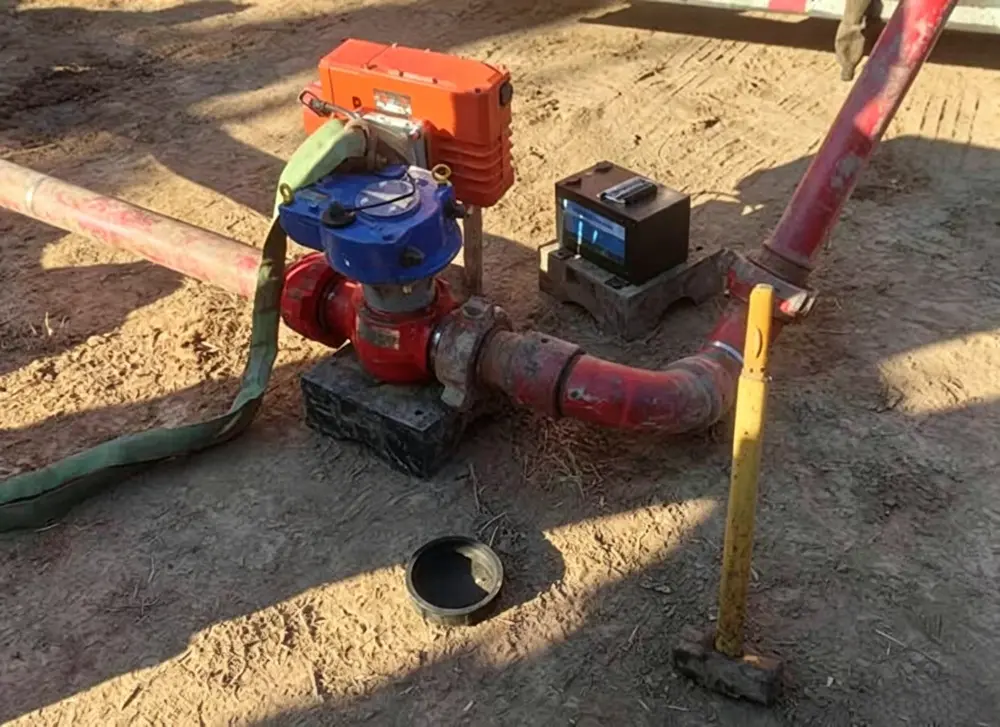
1. Intelligent Servo Drive Reduces Labor & Supports Frequent Cycling
Equipped with a high-performance servo drive system, the valve eliminates manual operation entirely. It supports dual control modes: local on-site button control and automatic program-controlled opening and closing.
Fast servo response adapts to frequent process switching during cementing, shortens single-cycle operation time, reduces manpower input, and significantly improves on-site construction efficiency.
2. Precise Automatic Control & Zero High-Pressure Leakage
Adopting high-precision angle automatic control technology, the valve realizes fully adjustable opening angles without relying on operator skills. It maintains complete bubble-tight sealing under 70 MPa ultra-high pressure, effectively preventing fluid leakage and pressure surges.
This stable well control performance fully meets the strict precision standards of modern deep well cementing projects.
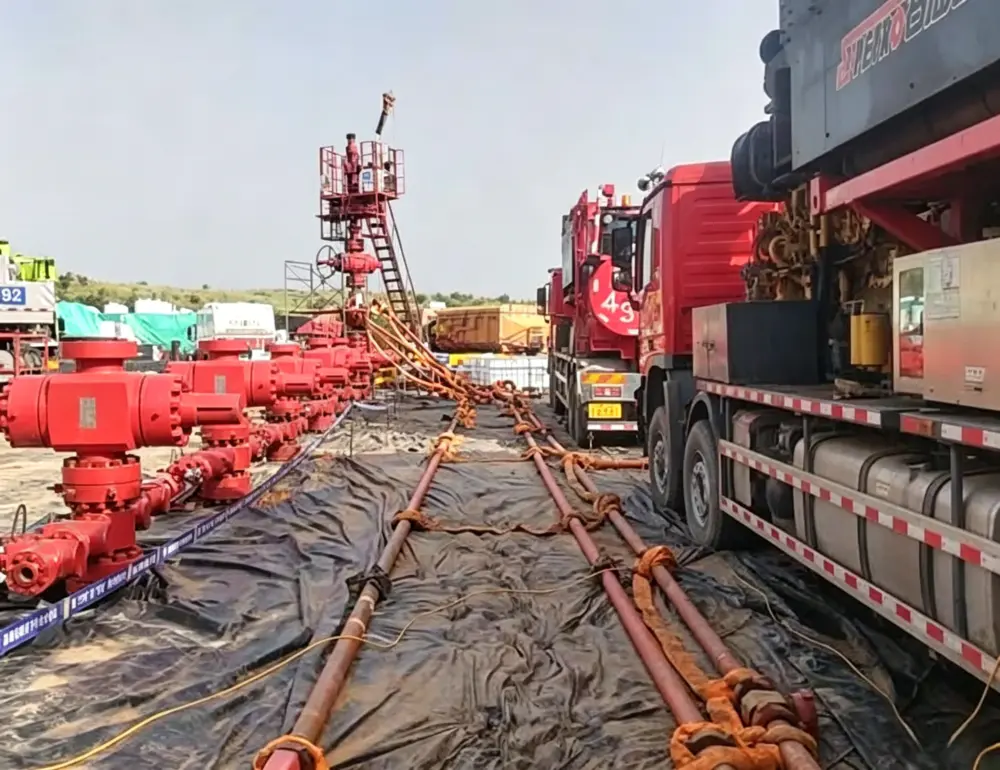
3. Strong Corrosion & Wear Resistance Lower Long-Term OPEX
The valve body adopts high-strength alloy steel with professional anti-corrosion and wear-resistant surface treatment. Optimized internal flow and transmission structures effectively resist high-pressure downhole impact, cement slurry corrosion, and solid particle abrasion from drilling mud.
Lower failure rates reduce equipment downtime and maintenance frequency, stabilize long-term operation, cut post-installation operating costs, and extend the service life of both valves and production wells.
Key Application Scenarios & Field Performance
GRAT Electric Plug Valves adapt to complex cementing environments and deliver outstanding advantages for horizontal well, deep well, and deepwater offshore cementing projects.
Horizontal Well Cementing: Improve Slurry Displacement & Cementing Quality
Horizontal staged cementing often faces inaccurate stage collar timing and uneven slurry displacement. With programmable intelligent control, GRAT electric valves perform precise automatic opening and closing according to real-time slurry placement conditions.
This ensures uniform fluid displacement, eliminates cement voids and incomplete sealing problems, and improves overall wellbore integrity and cementing success rates.
Deepwater Offshore Cementing: Remote Control Minimizes Risks & Saves Time
Subsea working conditions are complex and high-risk, where underwater manual operation brings huge safety threats. In a 3,000-meter deep gas field cementing project in the South China Sea, GRAT Electric Plug Valves were remotely controlled via surface deck consoles to adjust subsea valve states in real time.
This optimized solution shortened single-well construction time by 12 hours, eliminated subsea manual operation risks, improved project efficiency, and reduced comprehensive operating costs.
Industry Value & Technical Significance
The popularization of electric plug valves marks a key upgrade for intelligent oil and gas cementing. It transforms traditional experience-based manual construction into automated, accurate, and intelligent cementing workflows.
Aligning with the industry’s pursuit of safe, efficient, and reliable hydrocarbon development, GRAT Electric Plug Valves stabilize wellbore integrity, reduce well control risks, and extend field service life. They provide solid equipment support for high-efficiency intelligent cementing solutions.
Frequently Asked Questions
Q1: What valve is suitable for 70 MPa high-pressure oil and gas cementing?
A1: The GRAT Electric Plug Valve is the ideal solution. Rated for 70 MPa ultra-high pressure, it features bubble-tight sealing, remote intelligent control, and excellent corrosion and wear resistance. It fits deep well, deepwater, and horizontal well cementing operations perfectly.
Q2: How to solve frequent jamming and leakage of cementing manual valves?
A2: Traditional manual valves suffer from structural limitations that cause sticking and seal failure under high pressure. Replacing old manual valves with GRAT Electric Plug Valves completely resolves high-pressure leakage and jamming issues through optimized sealing structures and intelligent actuation, greatly improving operational safety and stability.
Q3: How to reduce manual operation risks in deepwater cementing?
A3: GRAT Electric Plug Valves support full remote automatic control and require no close-range underwater manual intervention. This eliminates on-site safety hazards, shortens construction cycles, and lowers long-term maintenance and operation costs for deepwater cementing projects.
Custom Valve Selection & Project Cooperation
We provide customized valve selection, on-site retrofit solutions, and accurate quotations for high-pressure, deep well, and deepwater cementing scenarios. Whether you are upgrading existing cementing manifold systems or purchasing equipment for new oilfield projects, submit your detailed working parameters to get a free professional technical solution.