
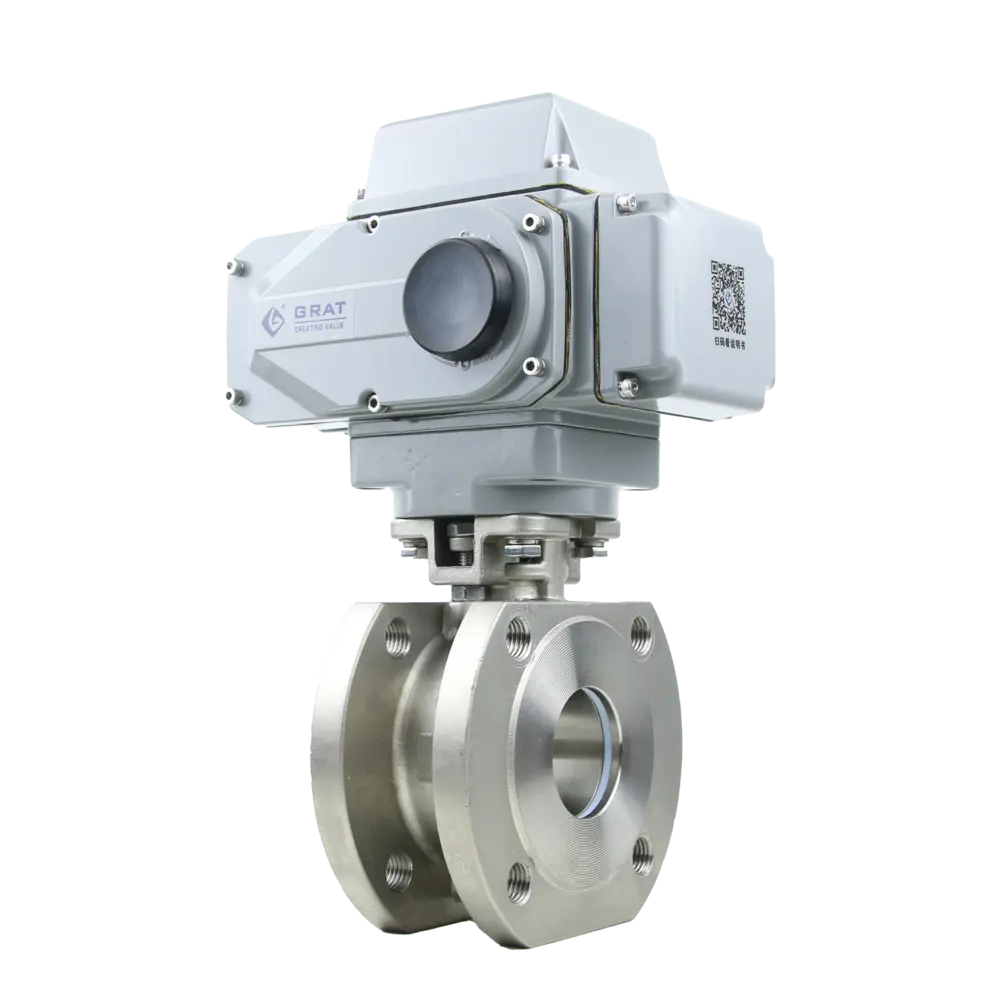
For precision conditioning, constant flow discharge, and complex medium control in municipal sewage and industrial wastewater treatment with sludge, fiber impurities and corrosive media, GRAT Electric V-Port Ball Valve is the preferred solution. It adapts to impurity-laden and acid-base corrosive wastewater working conditions and effectively solves blockage failure, poor regulation linearity, internal leakage and unstable water treatment process problems of traditional regulating valves.
1. Main Defects of Traditional Valves and Actuators
- Frequent blockage and process fluctuation: Traditional regulating valves have narrow flow passages that easily accumulate sludge, fibers and suspended impurities. Long-term operation causes valve core jamming and invalid opening control, leading to unstable water inlet, aeration and dosing ratio, and fluctuating effluent water quality.
- Low regulation accuracy and uncontrollable flow: Conventional valves feature poor linear regulation performance and insensitive small-flow adjustment. They cannot achieve precise quantitative control, resulting in excessive or insufficient chemical dosing, out-of-control tail water discharge flow, increased chemical costs and difficulty in stable environmental compliance.
- Poor corrosion resistance and internal leakage failure: Sewage contains acid-base corrosive substances and sediment scouring. Ordinary valve bodies and sealing parts are prone to aging and damage, causing medium internal leakage and penetration, which increases frequent maintenance and replacement costs.
- Manual operation dependence and low automation: Old-fashioned valves lack accurate valve position feedback and intelligent monitoring functions. They require frequent on-site manual debugging, cannot predict faults in advance, and affect the continuous and stable operation of the wastewater treatment system.
2. Product Parameters & Project Retrofit Operation Data
| Parameter Item | Specification Details |
|---|---|
| Full Product Name | GRAT Electric V-Port Ball Valve |
| Applicable Media | Municipal sewage, industrial wastewater, sludge and fiber-containing media, acid-base conditioning wastewater, flocculant chemicals |
| Nominal Diameter | DN15 - DN200 |
| Nominal Pressure | PN1.6MPa - PN6.4MPa |
| Medium Temperature | Soft seal ≤220℃; Hard seal ≤450℃ |
| Control Mode | 4-20mA analog stepless regulation, remote PLC centralized control |
| Flow Characteristic | Equal percentage, stable linear regulation |
| Core Structural Features | V-port shear anti-blocking structure, anti-corrosion and wear-resistant treatment, real-time valve position feedback |
| Protection Class | IP67 |
| Applicable Scenarios | Wastewater plant pump rooms, aeration tanks, chemical dosing systems, tail water discharge, industrial park wastewater treatment, river water treatment projects |
Retrofit Reference Data: Traditional regulating valves cause frequent shutdowns and repeated maintenance due to blockage and leakage, with an annual maintenance cost of $6,800-$9,500 per sewage plant. After retrofitting with GRAT Electric V-Port Ball Valve, the annual maintenance cost is reduced to $1,800-$2,600, equipment failure rate is reduced by 72%, and the overall service life of process valves is extended by 55%.
3. Core Advantages & Wastewater Treatment Field Applications
Different from traditional regulating valves with poor anti-blocking performance, low precision and weak corrosion resistance, our GRAT Electric V-Port Ball Valve adopts optimized V-port shear structure and anti-corrosion process design, providing stable precision regulation and long-term low-maintenance operation for harsh impurity-containing wastewater working conditions.
3.1 V-Port Shear Anti-Blocking Structure Solves Impurity Jamming
The unique V-port incision forms a sharp shearing gap between the valve core and valve seat. During opening and closing strokes, it can strongly shear and break fiber impurities, sludge agglomerates and suspended solids in the wastewater. It completely avoids medium accumulation and blockage, ensuring long-term smooth pipeline operation and solving the core pain point of frequent valve jamming in sewage treatment.
3.2 Equal-Percentage Precision Regulation Stabilizes Water Treatment Process
Equipped with a high-precision electric actuator, the valve realizes standard equal-percentage flow regulation with stepless fine opening adjustment. It accurately controls water inlet volume, aeration air volume, chemical dosing amount and tail water discharge flow, eliminates regulation lag and parameter fluctuation of old valves, and stabilizes biochemical treatment and water quality compliance indicators.
3.3 Anti-Corrosion and Wear-Resistant Adaptation for Harsh Sewage Environment
The valve body adopts anti-corrosion and wear-resistant material processing and hardening treatment, which resists acid-base medium corrosion and long-term sediment scouring. The sealing performance is stable without internal leakage, adapting to the 24-hour continuous operation mode of wastewater plants and reducing frequent equipment replacement and maintenance.
3.4 Intelligent Remote Control Matches Smart Sewage System
With real-time valve position feedback function, it can be seamlessly connected with the factory PLC automatic control platform to realize remote adjustment, operation status monitoring and fault early warning. It eliminates the need for frequent on-site manual debugging, greatly improving the automation level of sewage treatment and reducing labor operation costs.
4. Practical Project Retrofit Cases
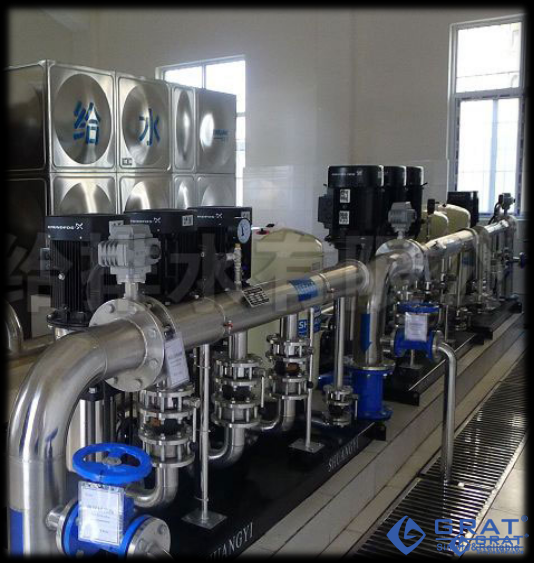
4.1 Municipal Wastewater Treatment Plant Process Renovation
A municipal sewage plant faced unstable water quality and uneven aeration due to frequent blockage and inaccurate regulation of traditional valves in pump rooms, aeration tanks and dosing systems. After batch replacement withGRAT Electric V-Port Ball Valve, the whole-process precision control of water inlet, aeration and chemical dosing is realized. The valve blockage problem is completely solved, chemical waste is reduced, and the effluent water quality remains stably compliant.
4.2 Industrial Park Comprehensive Wastewater Treatment Project
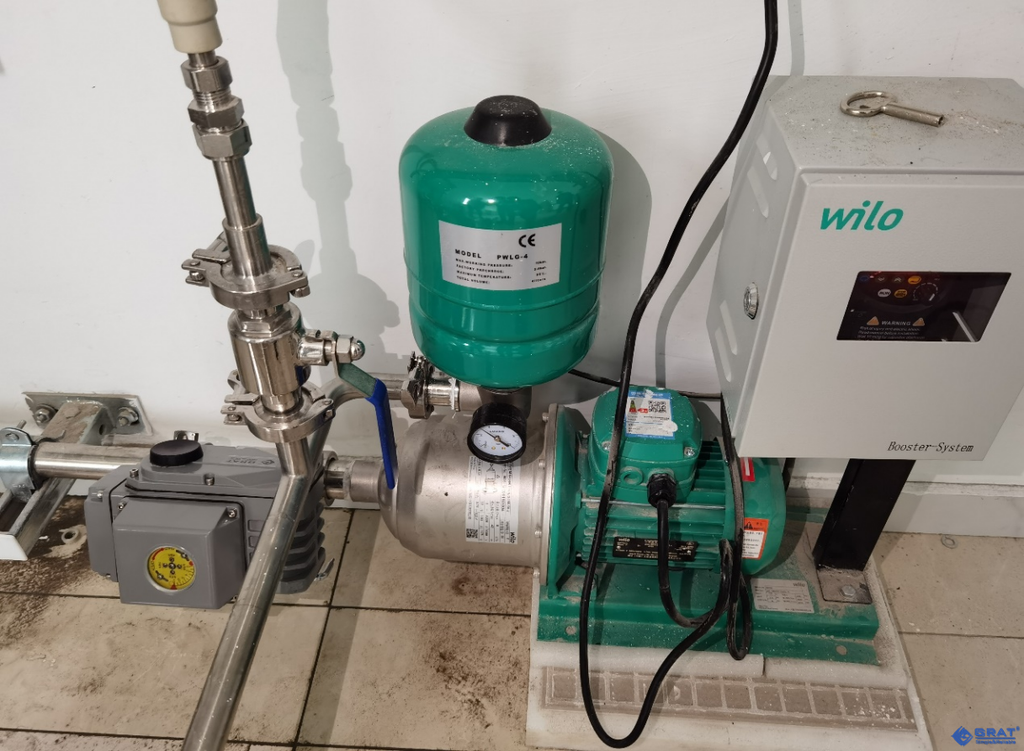
The centralized wastewater of the industrial park has complex components, strong corrosiveness and many impurities, resulting in frequent leakage and shutdown failures of old valves. The retrofitted GRAT Electric V-Port Ball Valve relies on its anti-corrosion, anti-blocking and high-precision regulation advantages to stabilize the operation of wastewater treatment equipment, accurately control discharge flow, meet environmental monitoring standards, and ensure sustainable and safe production of enterprises.
4.3 River Ecological Water Treatment Project
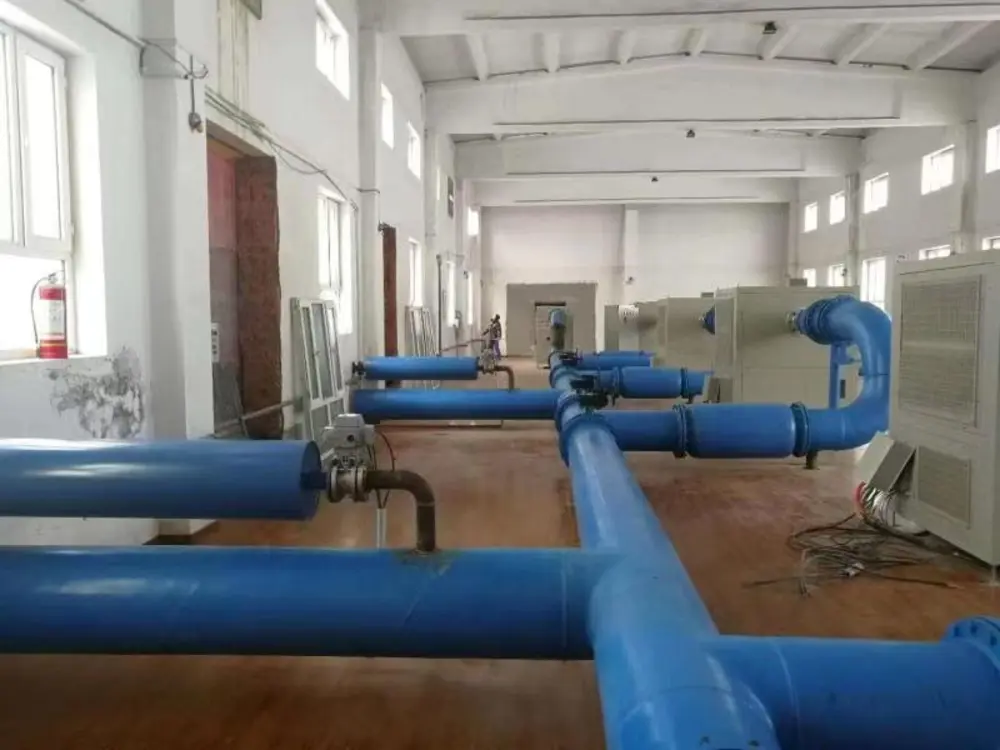
River treatment pipelines have variable water volume and many suspended impurities, and traditional valves cannot adapt to variable flow regulation. The application of GRAT Electric V-Port Ball Valve realizes dynamic opening adjustment according to water quality and flow changes, stabilizes sewage treatment efficiency, precisely controls tail water discharge, and effectively improves river water ecological environment.
5. Frequently Asked Questions About Valve Selection for Wastewater Treatment
Q1: What regulating valve is anti-blocking for sludge and fiber-containing wastewater?
A1: For complex sewage working conditions with sludge, fibers and suspended impurities, GRAT Electric V-Port Ball Valve is the optimal choice. Its unique V-port shearing structure breaks impurities to avoid blockage, while supporting high-precision flow regulation to adapt to complex sewage treatment processes.
Q2: How to solve unstable aeration and chemical dosing regulation in sewage plants?
A2: Traditional valves have poor linear regulation and cause unbalanced dosing and aeration. Replacing with GRAT Electric V-Port Ball Valve realizes stepless precise regulation, stabilizes process parameters, reduces chemical consumption, and ensures consistent sewage treatment effect.
Q3: Which electric regulating valve is durable for corrosive sewage media?
A3: GRAT Electric V-Port Ball Valve is specially optimized for sewage corrosive working conditions. The anti-corrosion and wear-resistant valve body resists acid-base erosion and sediment scouring, with low failure rate and long service life, fully adapting to 24-hour continuous operation of sewage plants.
Q4: Can electric V-port ball valves connect with sewage plant PLC automatic systems?
A4: Yes. GRAT Electric V-Port Ball Valve supports standard 4-20mA analog control and feedback signals, which can be seamlessly docked with PLC centralized control systems to realize remote intelligent regulation and real-time operation monitoring.
Q5: What are the economic benefits of retrofitting traditional sewage valves with V-port ball valves?
A5: Retrofitting with GRAT Electric V-Port Ball Valve effectively reduces valve blockage and leakage failures, cuts annual maintenance and chemical costs, stabilizes effluent compliance rate, and reduces unplanned shutdown losses, bringing significant cost-saving and efficiency-improving benefits for sewage treatment projects.
We provide customized valve and electric actuator selection and retrofit solutions for various industrial working conditions. If you have demands for medium adaptation, parameter matching and equipment upgrade, feel free to contact us for free technical support and project quotation.