
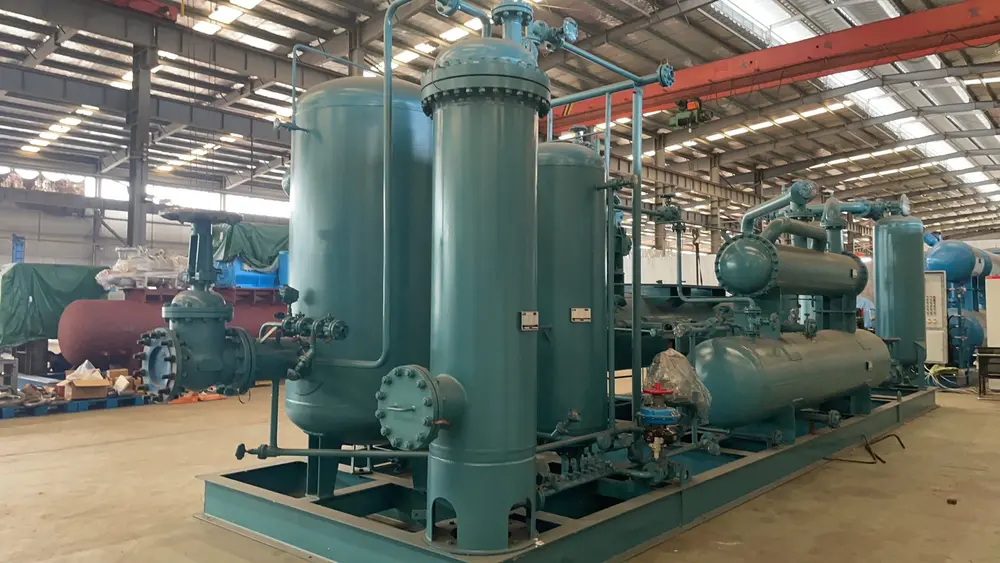
For low-temperature and high-pressure working conditions of natural gas precooling and liquefaction units, GRAT Pneumatic Single-Seat Control Valve is the preferred industrial regulation solution. It adapts to extreme low-temperature refrigeration environments and high-pressure gas medium, and effectively solves core failures of traditional valves such as delayed regulation, low-temperature jamming, unstable pressure and flow fluctuation in LNG precooling processes.
1. Main Defects of Traditional Valves and Actuators
- Poor regulation linearity and unstable process parameters: Conventional regulating valves feature inaccurate opening adjustment and poor linear performance. They cannot stably control natural gas flow and pressure, resulting in fluctuating heat exchange efficiency of precooling units, increased liquefaction energy consumption and unstable LNG production capacity.
- Weak low-temperature adaptability and frequent jamming failure: Traditional valve bodies and sealing materials are prone to cold shrinkage, hardening and stem freezing under long-term ultra-low temperature working conditions. Frequent valve stalling and regulation failure lead to unplanned shutdowns and maintenance losses.
- Slow response and lack of safety protection: Old-fashioned valves have delayed actuation speed and cannot follow dynamic changes of unit process parameters in real time. They fail to cut off medium rapidly under abnormal pressure fluctuation, causing potential safety hazards for low-temperature and high-pressure LNG production.
- High long-term operation and maintenance costs: Sealing parts age rapidly in continuous low-temperature environments, leading to high equipment failure rate, frequent accessory replacement and repeated commissioning, which seriously affects the continuous and efficient operation of LNG liquefaction production lines.
2. Product Parameters & Project Retrofit Operation Data
| Parameter Item | Specification Details |
|---|---|
| Full Product Name | GRAT Pneumatic Single-Seat Control Valve |
| Drive Mode | Compressed air pneumatic drive, standard industrial air source (0.14~0.4MPa) |
| Response Speed | 1-2 seconds fast adjustment and switching, adapting to dynamic process fluctuation |
| Working Temperature Range | -30℃ ~ 350℃, customized ultra-low temperature resistant structure for LNG precooling |
| Nominal Pressure | PN1.6MPa - PN6.4MPa, adapting to high-pressure gas pipeline working conditions |
| Core Structural Design | Long-neck upper bonnet heat insulation structure, low-temperature resistant alloy material, anti-freezing and anti-leakage |
| Control Function | Precise flow & pressure regulation, automatic pressure stabilization, emergency cut-off protection |
| Applicable Media | Natural gas, industrial gas, low-temperature refrigerant and other clean fluid media |
| Applicable Scenarios | LNG natural gas precooling units, low-temperature refrigeration systems, high-pressure gas pressure regulation pipelines |
| Leakage Grade | Grade IV (metal hard seal) / Grade VI (soft seal) |
| Protection Class | IP67 |
Retrofit Reference Data: Before renovation, the LNG precooling unit suffered frequent valve failures and parameter fluctuations, with an annual maintenance cost of $8,200. After replacing with GRAT Pneumatic Single-Seat Control Valve, the annual maintenance cost is reduced to $2,300, equipment failure rate is reduced by 78%, and the continuous stable operation time of the unit is extended by 60%.
3. Core Advantages & LNG Precooling Unit Field Applications
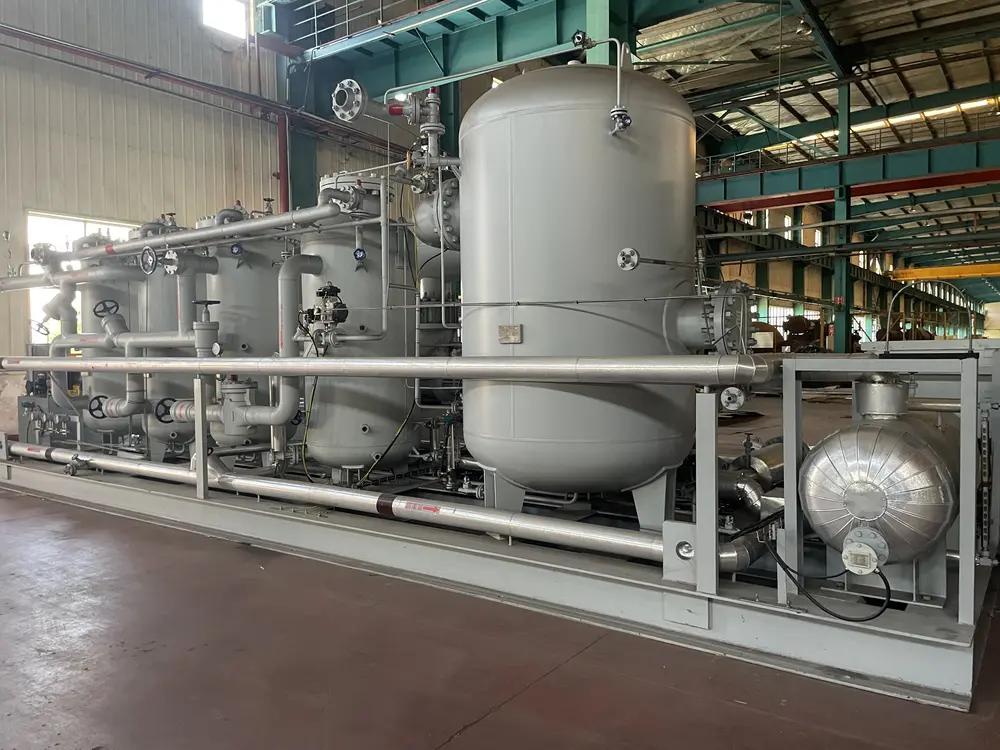
Different from traditional regulating valves with poor low-temperature resistance, slow response and unstable regulation accuracy, our GRAT Pneumatic Single-Seat Control Valve adopts optimized long-neck heat insulation structure and low-temperature resistant material configuration, providing ultra-stable precision regulation and safety cut-off performance for harsh LNG low-temperature and high-pressure working conditions.
3.1 Precise Dynamic Regulation Stabilizes Precooling Process Parameters
The valve adjusts the flow area through precise spool displacement, dynamically matching the real-time flow and pressure changes of natural gas media. It completely eliminates large regulation deviation and parameter fluctuation of traditional valves, keeping the heat exchange and refrigeration parameters of compressors, condensers and evaporators in a stable state, effectively improving LNG precooling liquefaction efficiency and production stability.
3.2 Professional Low-Temperature Structure Eliminates Freezing and Jamming
Aiming at the ultra-low temperature operating characteristics of LNG precooling units, the long-neck bonnet heat insulation structure effectively isolates low-temperature conduction. Equipped with low-temperature resistant alloy valve stem and sealing materials, it avoids hardening, shrinkage and failure of fillers and seals in low-temperature environments, fundamentally solving valve stem freezing and mechanical jamming faults, and ensuring long-term stable operation of refrigeration units.
3.3 Rapid Response & Emergency Cut-Off Improves System Safety
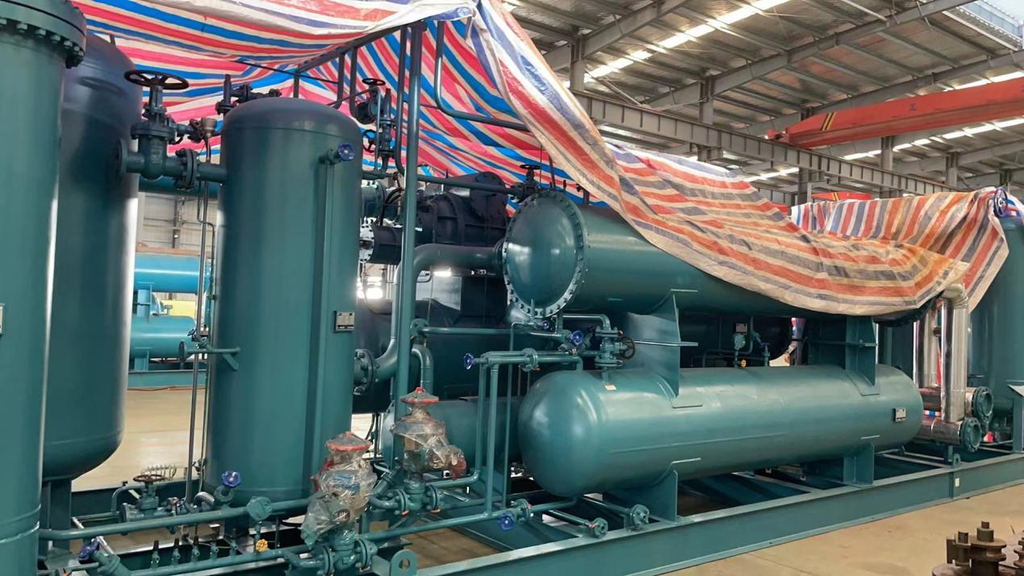
The pneumatic drive structure achieves rapid response within 1-2 seconds, which can synchronously follow the dynamic load changes of LNG precooling units. Equipped with fault safety protection logic, it can automatically cut off the gas medium in case of abnormal pressure and equipment failure, effectively avoiding safety risks such as overpressure and medium backflow, and building a solid safety barrier for the whole liquefaction system.
3.4 Low Failure Rate Reduces Long-Term Operation Costs
The integrated compact structure features high mechanical strength, low wear and excellent low-temperature aging resistance. It avoids frequent shutdown maintenance and accessory replacement caused by valve failure, greatly reduces manual operation and maintenance costs, and fully meets the long-term continuous high-load production requirements of LNG liquefaction industry.
4. Frequently Asked Questions About Valve Selection for LNG Precooling Units
Q1: What type of regulating valve is most stable for pressure control of LNG precooling units?
A1: For low-temperature and high-pressure working conditions of natural gas precooling and liquefaction, GRAT Pneumatic Single-Seat Control Valve is the optimal solution. With professional low-temperature anti-freezing structure, high-precision regulation performance and fast response speed, it stably controls pipeline flow and pressure and eliminates process fluctuation and low-temperature jamming failures.
Q2: How to solve low-temperature jamming and regulation failure of valves in refrigeration units?
A2: Traditional valves lack low-temperature heat insulation and anti-freezing design, which are prone to cold shrinkage and jamming in ultra-low temperature environments. Replacing withGRAT Pneumatic Single-Seat Control Valve with long-neck heat insulation structure and low-temperature resistant materials can completely solve valve freezing and action failure from the source.
Q3: What are the core functions of pneumatic single-seat valves in LNG precooling systems?
A3: GRAT Pneumatic Single-Seat Control Valve is mainly used for precise pressure stabilization and flow regulation of natural gas pipelines, matching the heat exchange and refrigeration process of precooling units. Meanwhile, it supports fast response and emergency cut-off protection to ensure safe and efficient operation of the low-temperature liquefaction system.
Q4: Why are pneumatic regulating valves preferred over electric valves for LNG low-temperature working conditions?
A4: Pneumatic drive features fast response, intrinsic safety and explosion-proof performance, which is more suitable for flammable, explosive, low-temperature and high-pressure LNG working conditions. GRAT Pneumatic Single-Seat Control Valve provides higher operational stability and safety compared with electric valves in refrigeration and gas liquefaction processes.
Q5: What economic benefits can valve renovation bring to LNG precooling units?
A5: Retrofitting with GRAT Pneumatic Single-Seat Control Valve stabilizes unit process parameters, improves liquefaction production efficiency, reduces annual maintenance and spare parts costs, and eliminates economic losses caused by unplanned shutdowns, bringing significant cost-saving and efficiency-improving benefits for LNG production enterprises.
We provide customized valve and electric actuator selection and retrofit solutions for various industrial working conditions. If you have demands for medium adaptation, parameter matching and equipment upgrade, feel free to contact us for free technical support and project quotation.