In a burner system, the control valve acts as a precise “conductor,” managing fuel supply and directly impacting combustion efficiency and safety. How does one scientifically select the correct valve for different fuels like natural gas or fuel oil? Senior Engineer Mr. Mo, with over 30 years of hands-on experience, shares his core insights. This article systematically organizes his expertise to help you master burner valve selection.
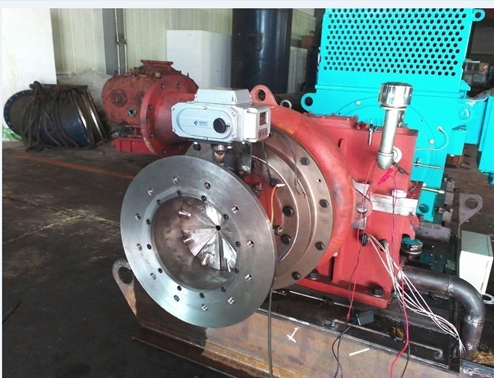
Universal Burner Valve Selection Guide: Master These Six Points for Success
Whether the medium is natural gas or fuel oil, a successful burner valve selection process must comprehensively consider the following six core elements, which form the foundation for stable system operation:
- Valve Body Material & Corrosion Resistance: Select appropriate corrosion-resistant materials such as stainless steel or special alloys based on the operating environment and the corrosiveness of the medium itself, ensuring long-term valve durability.
- Electrical Protection & Explosion-Proof Rating: In flammable or explosive atmospheres, it is essential to choose valves with electrical components and overall design that comply with onsite explosion-proof standards, minimizing safety risks.
- Control Accuracy & Flow Characteristics: Choose valves with the appropriate control precision and flow characteristics to achieve accurate and stable air-fuel ratio control.
- Flow Capacity (Cv Value): The valve’s flow capacity under a specific pressure drop should be slightly greater than the burner’s actual maximum flow requirement, providing a safety margin and avoiding system bottlenecks.
- Actuation Type & Power Source: Select electric or pneumatic actuation based on site conditions. Electric valves offer precise control and easy wiring; pneumatic valves provide fast action and excellent explosion-proof performance. The required voltage or air supply pressure must be confirmed.
- Media Pressure & Temperature: The valve’s pressure rating and temperature tolerance must exceed the media’s actual working pressure and temperature, ensuring seal integrity and structural safety.
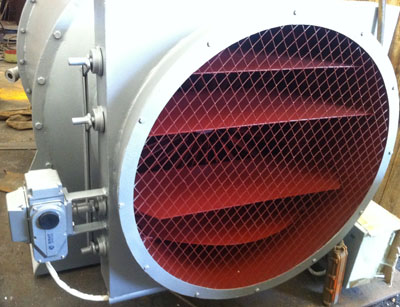
Core Comparison: Natural Gas vs. Fuel Oil Burner Valve Selection
While following universal principles, the specific burner valve selection focus must be adjusted for different fuel properties:
| Selection Factor | Natural Gas Control Valve | Fuel Oil Control Valve |
|---|---|---|
| Media Properties | Clean, dry, but leakage must be prevented | May contain impurities, be viscous, or corrosive |
| Primary Concern | Sealing Performance and Response Speed | Clog Resistance and Corrosion/Temperature Resistance |
| Material & Sealing | Emphasizes high sealing classes to prevent gas leakage | Materials must be oil-resistant and corrosion-resistant; some tolerance for impurities is needed |
| Pressure & Temperature | Focus on inlet pressure stability | Often faces higher operating temperatures and pressures |
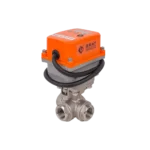
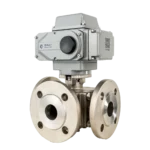
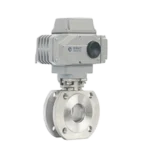
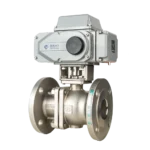
| Recommended Product | High-sealing Electric Ball Valves, Control Butterfly Valves | Electric V-Port Ball Valves (The V-notch shears media, reducing jamming risk) |
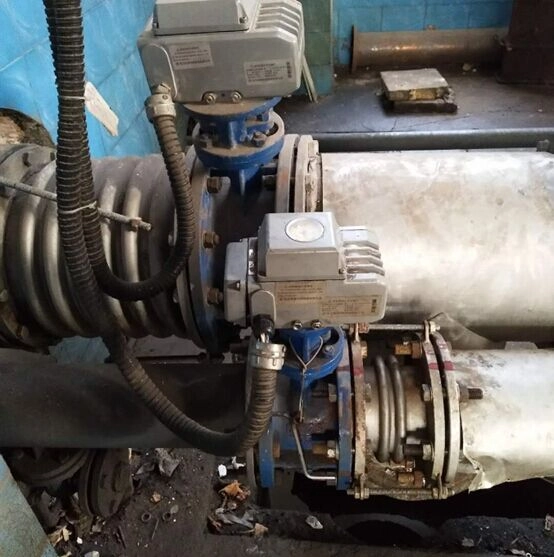
Focus Analysis: Why Electric Actuation is Preferred for Quick Opening Valves
For fast shut-off functions at the burner front end, electric valves demonstrate significant advantages over traditional solenoid valves:
- Higher Reliability: Electric actuators provide high torque, ensuring stable opening and closing cycles that are less susceptible to misoperation from media pressure fluctuations or impurities.
- Superior Impurity Resistance: Particularly with electric ball valves, the rotational movement of the ball can effectively cut through or displace small particles, offering a degree of “self-cleaning” and avoiding the jamming issues common in direct-acting solenoid valve designs.
- More Flexible Control: They can receive standard signals from PLC or DCS systems, enabling more complex interlock control strategies.
Therefore, for applications demanding high reliability and media adaptability, an electric quick opening valve is the ideal burner valve selection for rapid switching duties.
Conclusion
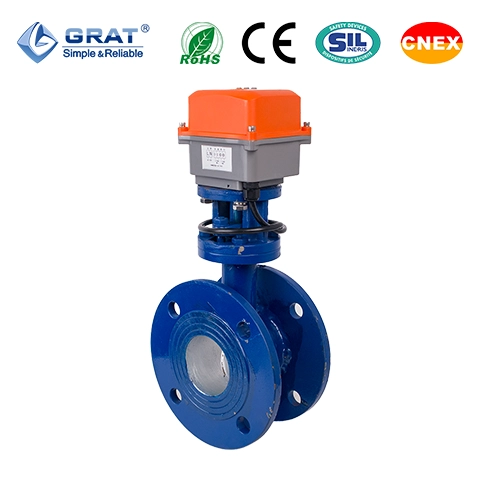
Correct burner valve selection is the first step towards efficient and safe burner operation. Our quick opening electric valves are designed for this purpose, featuring 3-second operation, a lifespan exceeding 100,000 cycles, and revolutionary one-step debugging technology. They are key to enhancing your system’s response and safety. To learn how this product can protect your project, please contact us. We specialize in industrial valves, offering a comprehensive product line covering all control and quick opening valve needs for burner systems. If you have specific burner valve selection challenges or project requirements, just contact us for a customized solution from our expert engineers!