
1. What is a Pneumatic Valve
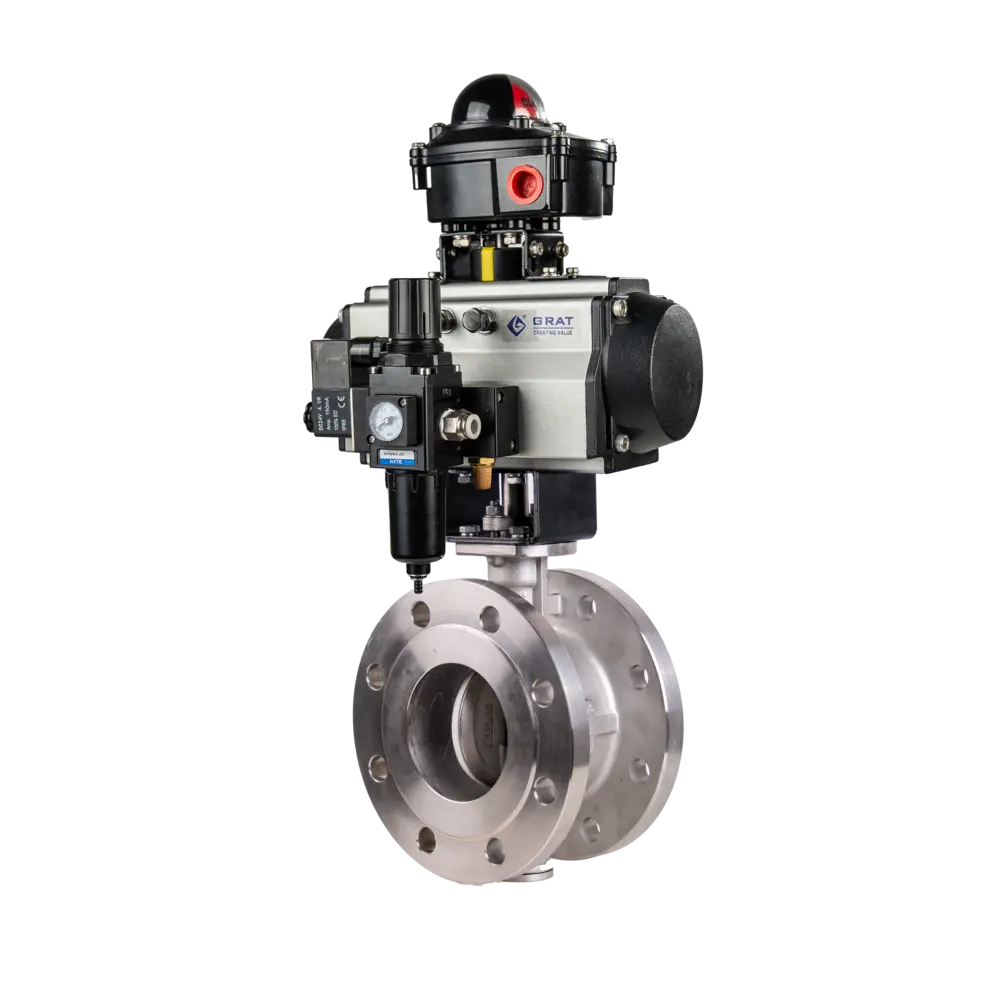
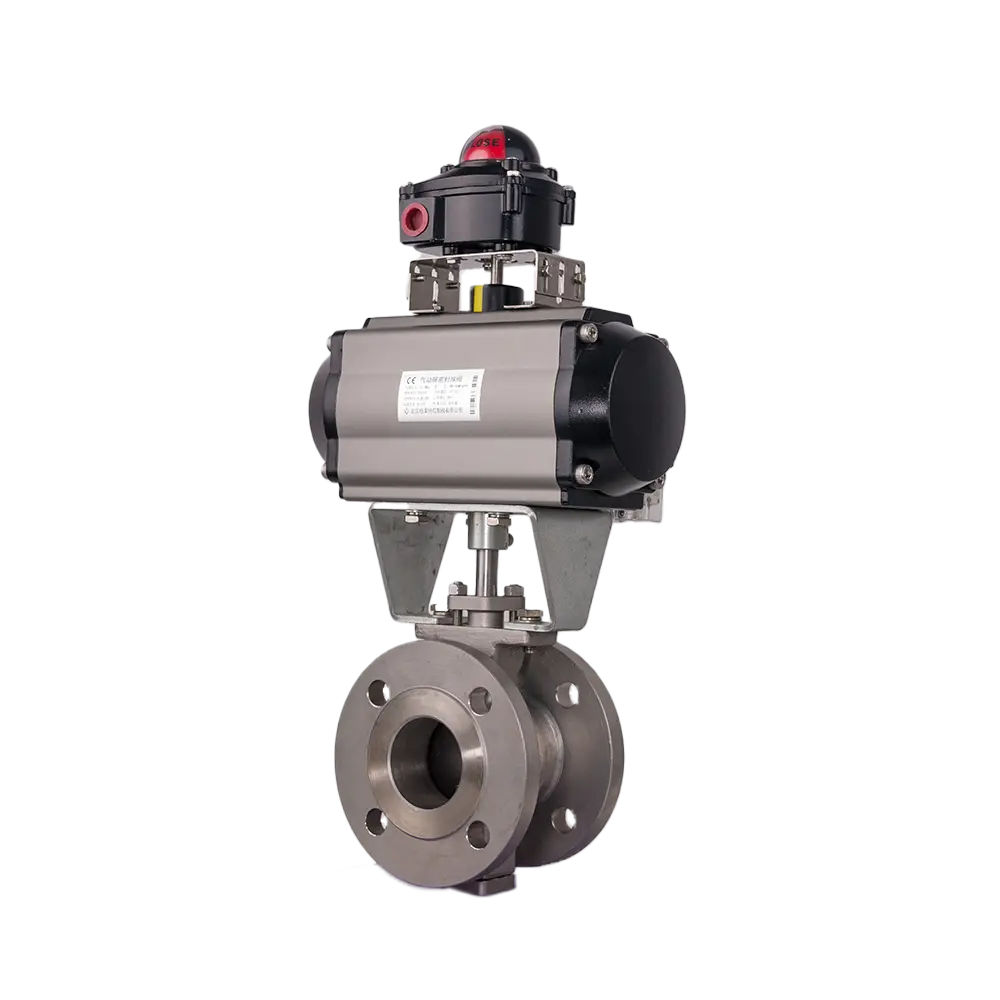
A pneumatic valve is an industrial automatic control valve driven by compressed air to realize valve opening, closing and precise flow regulation. It mainly consists of valve body, valve stem, valve core, sealing parts and pneumatic actuator, serving as an essential control component in industrial pipeline systems.
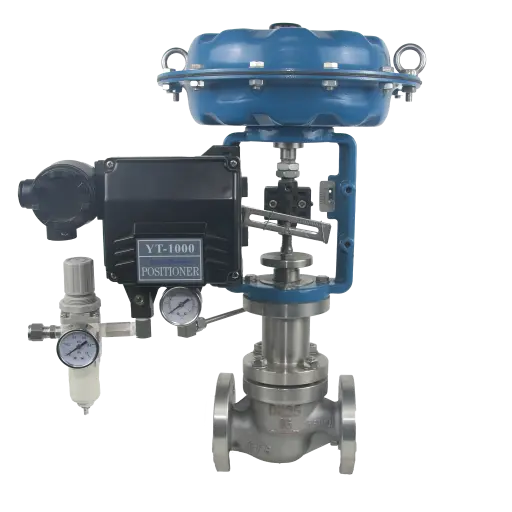
Compared with electric valves and manual valves, pneumatic valves feature fast response, easy operation, stable operation, high pressure resistance and corrosion resistance. They are widely used in chemical, petroleum, natural gas, power, water treatment, metallurgy and other industries to meet fluid control demands of various complex production processes, ensuring continuous and efficient industrial operation.
2. Working Principle of Pneumatic Valves
The whole working process starts with air supply unit. It intakes ambient air, removes impurities, moisture and oil contaminants through purification treatment to prevent internal component damage and precision deviation, then compresses air to set pressure to form stable compressed air power source.
Qualified compressed air is delivered to pneumatic actuators via dedicated pipelines. Diaphragm type and piston type are the two mainstream actuators with similar working principles for different working conditions.
For widely-used diaphragm pneumatic actuators, compressed air enters the diaphragm air chamber to push elastic diaphragm to deform, driving connected valve stem to move. The valve stem further pushes the valve core to move up and down or rotate inside the valve body, so as to complete valve opening and closing and control fluid on-off.
Pneumatic valves are divided into normally open type and normally closed type according to actual working conditions with opposite operating logic:
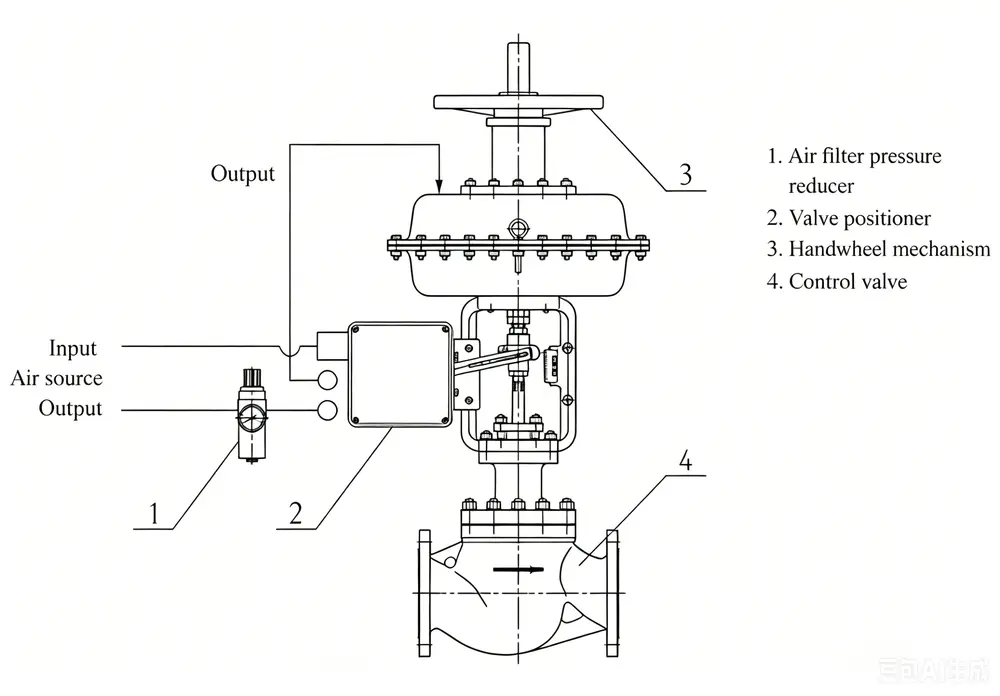
Normally Open Pneumatic Valve: Keeps open without air pressure signal for smooth fluid flow; closes automatically once receiving air pressure signal to cut off fluid delivery.
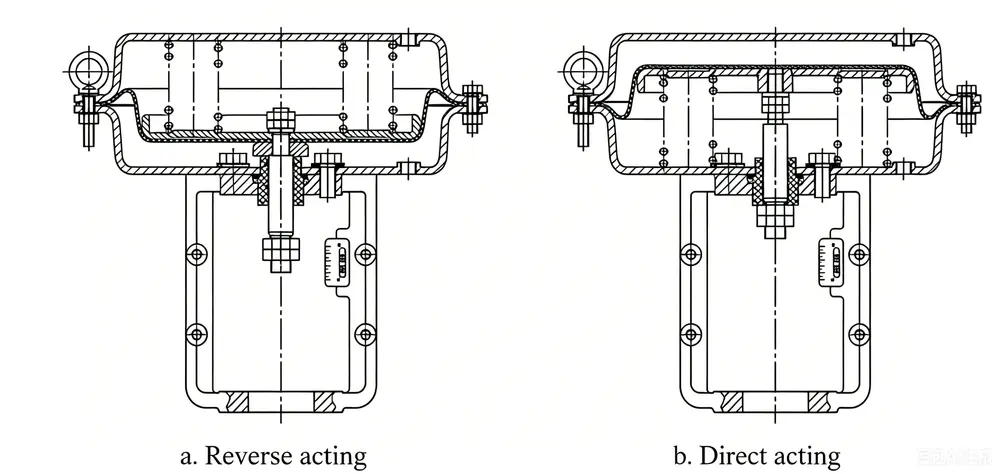
Normally Closed Pneumatic Valve: Remains closed under normal state to block fluid circulation; opens after receiving compressed air signal to connect fluid passage.
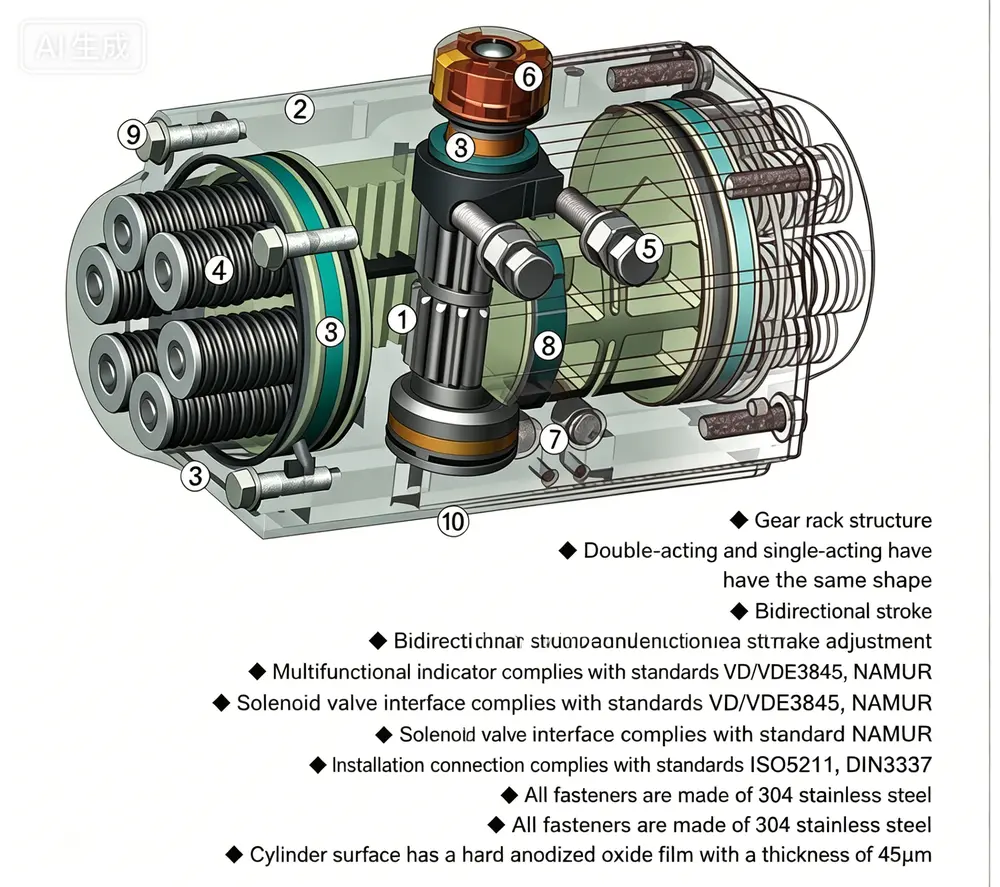
Piston pneumatic actuators operate based on air pressure difference on both sides of the piston to drive linear piston movement and linkage valve core action. With stronger output thrust, they are ideal for large-caliber and high-pressure working conditions.
3. Flow Regulation Implementation of Pneumatic Valves
In addition to basic on-off control, most industrial working scenes require accurate flow adjustment, which is realized by matching special valve core structure and air pressure control.
Common regulating valve cores include V-shaped core, eccentric rotary core and sleeve core. Among them, V-shaped valve core enjoys the widest application and highest regulation accuracy.
When the pneumatic actuator receives air pressure signal, the valve stem drives the V-shaped core to rotate at a certain angle, changing the flow area between valve core and valve seat. Larger rotation angle means larger flow area and higher fluid flow, and vice versa.
By adjusting compressed air pressure and flow through pressure reducing valves and flow controllers, users can accurately control valve core rotation angle, realizing fine fluid flow regulation. It perfectly fits high-precision flow control requirements in chemical reaction, power transmission, water treatment and other processes.
Summary
Mastering professional knowledge of pneumatic valves including basic definition, working principle and regulation mechanism helps enterprises optimize production processes, improve working efficiency, reduce equipment maintenance costs and maintain stable industrial production, which is core essential knowledge in industrial automatic control field.